







A “thriver” of triple-negative breast cancer shares a poem to mark the 10th anniversary of her survivorship.
A “thriver” of triple-negative breast cancer shares a poem to mark the 10th anniversary of her survivorship.

The Food and Drug Administration’s Oncologic Drugs Advisory Committee unanimously voted in favor of waiting for more data before making an approval decision involving the use of Keytruda in early triple-negative breast cancer.

A person with metastatic breast cancer writes about how she just wants to be “normal” again and for people to stop pitying her.
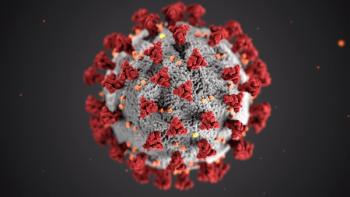
CURE® compiled a roundup of seven recent pieces of COVID-19 news and updates that patients with cancer may have missed.

Previously, Vidaza alone showed poor response rates for patients with TP53-mutated, myelodysplastic syndromes and acute myeloid leukemia, but adding the novel agent eprenetapopt improved response rates and overall survival in this patient population.

At four-year follow up, treatment with givinostat, a histone-deacetylase inhibitor, continued to be safe and effective with no serious or life-threatening side effects.

A cancer survivor writes about all the little things she has missed because of the COVID-19 pandemic. Those little things — such as going to a diner and connecting with friends — are now appreciated more than we ever would have imagined, she writes.

From the death of Paralympic champion snowboarder Bibian Mentel to Baltimore Orioles first baseman Trey Mancini successfully completing treatment for colon cancer, here’s what’s happening in the cancer landscape this week.

Polymerase (PARP) inhibitors continue to improve progression-free survival over placebo in women with recurrent, platinum-sensitive ovarian cancer.

The biggest fear for many patients, according to an expert from The University of Texas MD Anderson Cancer Center, is when they hear that myeloma, for most patients, is not curable. However, she notes that every few years patient survival is increasing.

CURE spoke with a cancer rights attorney about what financial toxicity is and ways to address this burden before assistance is needed.

What happens when health is affected by an unexpected illness such as cancer? Does their quality-of-life decline? Here, one survivor writes how she used the gift of recording the details of her journey to better her life after a cancer diagnosis.
Dr. John Marshall and his wife, Liza, look back on the trials and tribulations of Liza’s triple-negative breast cancer diagnosis – from the perspective of a patient and her husband, the caregiver and oncologist.

Each month, we take a look back at the most popular CURE® stories. Here are the top five stories for March 2021.

“This approval is an important advancement for patients whose disease has relapsed and reinforces the potential for Sarclisa to become a standard of care in relapsed or refractory multiple myeloma,” said Dr. Thomas G. Martin.

CURE® spoke with a cancer rights attorney about employment rights and how patients and their caregivers can learn more to ensure they are being protected.

The FDA recently approved an expanded indication for Lorbrena as a first-line treatment option for a subset of lung cancer that has spread to the brain. Compared to previously-approved options, experts say Lorbrena is more effective.

A playwright with male breast cancer examines some beliefs that may influence our survival.
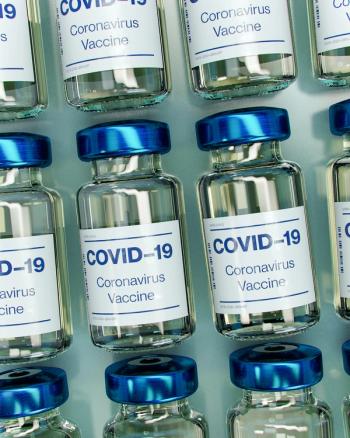
With a limited number of COVID-19 vaccines available, the most important takeaway from the updated NCCN guidelines is that patients with cancer get a COVID-19 vaccine — no matter which one it is — according to an expert from the Seattle Cancer Care Alliance and Fred Hutchinson Cancer Research Center.

An expert discusses therapies that are changing the treatment landscape and the research to make this disease more livable.
The agency granted approval to the revised label of Vyxeos to now include treatment for newly diagnosed therapy-related acute myeloid leukemia or disease with myelodysplasia-related changes in pediatric patients aged 1 and older.
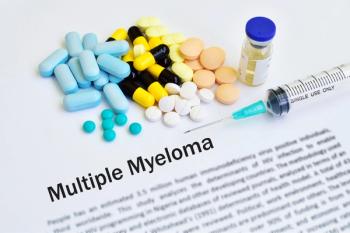
Efficacy is one of the most important drivers in determining which cell-based therapy a patient with multiple myeloma receives, according to an expert. However, she says, other factors, such as how aggressive the disease is, may play a major role.
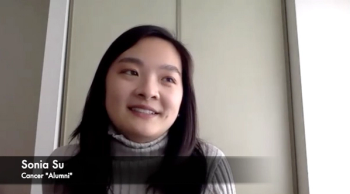
The term “survivor” is often used to describe people who have successfully completed their cancer treatments, but Sonia Su feels like it doesn’t quite capture the complexity of what it means to be in remission.

A patient with metastatic cancer writes about how the unknowns of her disease have shaped her life and health experiences, and how she has learned to live with that uncertainty.

Acupuncture techniques proved to be an effective treatment that reduced pain severity and increased quality of life among a diverse sample of cancer survivors experiencing chronic musculoskeletal pain.

Progress on palliative care education and adoption in cancer centers has been slow, but an expert from The University of Texas MD Anderson Cancer Center says studies show that it can improve cancer outcomes.

Previously, treatments for patients with extensive-disease small cell lung cancer were limited with a poor prognosis. Researchers sought to investigate if Opdivo plus Yervoy or Opdivo alone would improve survival.

On social media, CURE® recently asked its readers to share how cancer has changed the way they live their lives. Here’s what they said.

A cancer survivor recalls some experiences he had along his journey and reminds others to be the CEO of their care team, as it’s their life on the line.
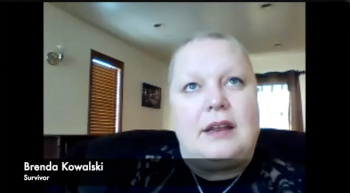
Although “social distancing” has become a common term used to describe the safe distance people keep from others to avoid contracting COVID-19, stage 1 ovarian cancer survivor and teacher Brenda Kowalski reminds patients who may be starting out on their cancer journey that it’s important to not “socially distance” yourself from friends when you need support.