






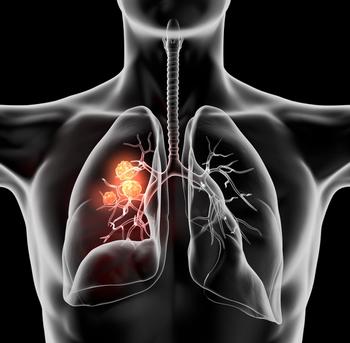
Over the past few years, lung cancer has changed significantly with improving outcomes, particularly attributable to immunotherapy, but how do we continue that trend?
Over the past few years, lung cancer has changed significantly with improving outcomes, particularly attributable to immunotherapy, but how do we continue that trend?

As part of the “Speaking Out” video series, CURE® spoke with Dr. Laura M. Kulik about the basics of liver cancer, highlighting the need for a multidisciplinary approach to care.

The Food and Drug Administration’s recent approval of Abecma is an extremely significant development for patients with heavily pretreated multiple myeloma, according to an expert from the Dana-Farber Cancer Institute.

Which story – of hope or fear – is the best experience to relate to help another?
View the entire 2021 Extraordinary Healer® Award for Oncology Nursing virtual presentation here!

From a mural of Chadwick Boseman in a Los Angeles children’s hospital to the death of Apollo 11 astronaut Michael Collins, here’s what’s happening in the cancer landscape this week.
CURE Media Group also recognized Jennifer E. Giovanni, Ph.D., MSN, MPH, RN, as winner of the Finest Hour Award, which highlights the dedication and selflessness exhibited in front-line workers during the COVID-19 pandemic.
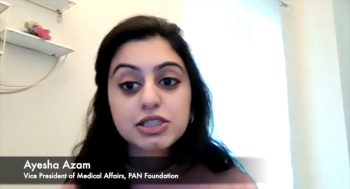
As transportation to treatments is one of the many important aspects patients with cancer must consider after receiving a diagnosis, there is room for improvement in terms of accessibility and affordability, says an expert from the Patient Access Network Foundation.
Channeling optimism during your cancer journey isn’t just about living longer — it’s about living better.

A cancer survivor shares a journaling method that he has found to be beneficial to his mental health.
On this episode on the “CURE® Talks Cancer” podcast, we spoke with U.S. beach volleyball Olympic medalist April Ross about how her mother’s experience with metastatic breast cancer gives her the inspiration she needs to pursue her goals and educate others about the disease.
Here is a list of some recent trials that launched within the cancer space in April.

Several factors including female sex, lower socioeconomic status and high intensity surgery were associated with a higher risk of moderate-to-severe symptoms in older adults with cancer following surgery.

The gut microbiome plays an important role in how patients may respond to cancer treatments, and researchers are learning more about ways to alter it to benefit treatment outcomes.

A person with metastatic breast cancer discusses the emotional experience of learning that her dog, Heidi, was diagnosed with cancer.

A recent analysis of veterans with prostate cancer showed that they are not being assessed and treated for cardiovascular risk factors at the rate they should be to optimize survival, particularly when being treated with androgen deprivation therapy, which has been associated with increased risk for cardiovascular disease.

Treatment with tisotumab vedotin, a novel antibody-drug conjugate, in women with recurrent or metastatic cervical cancer, led to an objective response rate of 24% with a manageable safety profile.
Patients with blood cancers are at a much higher risk of complications if they contract COVID-19, says an expert from the Leukemia & Lymphoma Society (LLS).

Second opinions may enhance your treatment plan or even change your course.

A cancer survivor describes her interpretation of a quote about loss by philosopher Marcus Aurelius.

Recent study results have demonstrated that regular use of baby aspirin prior to colorectal cancer diagnosis was associated with better survival outcomes.

Most patients with newly diagnosed multiple myeloma treated with a combination of Kyprolis, Revlimid, dexamethasone and Darzalex achieved minimal residual disease negativity during a median follow-up of 11 months.

Treatment with Xpovio, Velcade and dexamethasone is effective, safe and tolerable for patients with multiple myeloma, specifically those who are at least 65 years and frail.
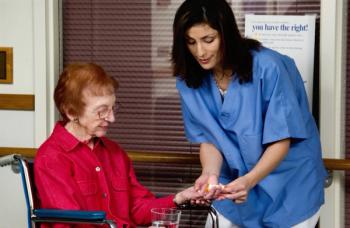
On social media, CURE® recently asked its readers to share how oncology nurses have helped them during their experience with cancer. Here’s what some of them said.

A colon cancer survivor recalls how she made peace with being infertile as a result of cancer treatments.

Because of their age, disease state and comorbid conditions, older patients need supportive care.

Many survivors who have sexual side effects after treatment feel too uncomfortable to share this information with their doctor, and some doctors may not know how to address it with their patients.

A cancer survivor shares advice on how people can support a friend with cancer.

As part of its “Speaking Out” video series, CURE® spoke with Katie Brown from LUNGevity about challenges that have arisen from the COVID-19 pandemic — including delays in screening — and resources to help patients through these trying times.

“It’s been almost seven years since I made the decision to stop taking aromatase inhibitors and I’m happy to report I’m feeling great,” writes a cancer survivor. “There are no more unwanted side effects. The decision to stop taking the medication was right for me.”