


Childhood Cancers
Latest News
Advertisement
Latest Videos


Shorts
1:00
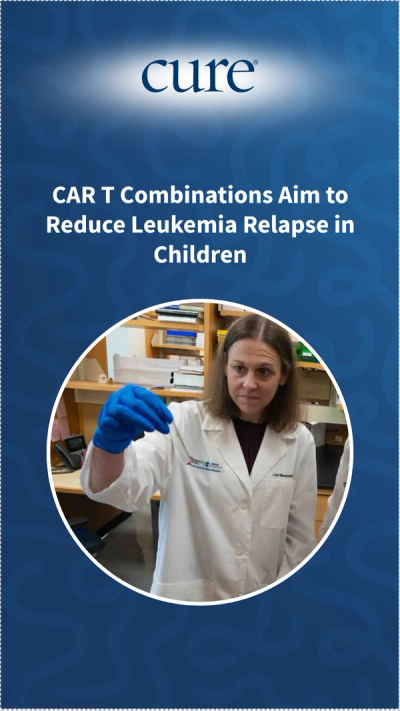
The Future of CAR T Cell Therapy for Leukemia
2 months ago
by
Kaitlyn M. Le
Podcasts



Advertisement
More News

Dr. Doured Daghistani discusses how childhood cancer treatment, survivorship care and immunotherapy have evolved this Childhood Cancer Awareness Month.
A pediatric oncologist explains what families should know after childhood cancer treatment, from long-term side effects to emotional recovery.

The NexTGen team launches the world's largest CAR-T cell trial for pediatric solid tumors, offering new hope for children with relapsed cancer.

Pediatric Cancer Research Foundation CEO Danielle Fragalla discusses the biological differences in pediatric cancer and the need for treatments designed for developing bodies.
Elena Jeannotte discusses building a community of support for children with cancer and their families, especially during the holiday season.

A young cancer survivor who underwent external beam radiation therapy and brachytherapy at 14 years old discusses her rare diagnosis, side effects and the nonlink to her Turner syndrome.

Neuroblastoma is the most common cancer in infants and most commonly occurs in children younger than 5 years old.
Dena Paluck, whose daughter Laura had osteosarcoma, volunteers with Hopeful Hearts to connect parents of children with cancer to support networks.
Cancer treatments can speed up aging in survivors, according to research, which can contribute to a person's risk for conditions like heart disease.
Childhood cancer treatments can accelerate biological aging which increases survivors’ risk for long-term health issues like heart disease and obesity.
Samantha Bianzon explained what biology-guided radiation therapy for cancer is, as well as highlighted how it may differ from the more traditional types of radiation.
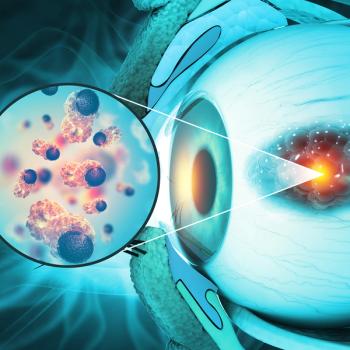
DPOAE testing showed no hearing loss in children with retinoblastoma treated with intra-arterial paraplatin, suggesting preserved cochlear function.
Carly Stafford Dixon, a rare cancer survivor, highlights the need for AYA cancer awareness to improve support, visibility and access to vital resources.
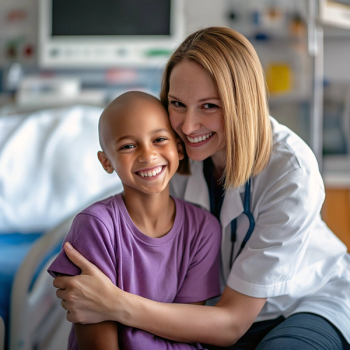
Adolescent and young adult patients with cancer face delayed diagnoses, financial hardships and gaps in specialized care, creating a need for tailored support.
Adolescent and Young Adult Cancer Awareness Week sheds light on the financial hardships young cancer survivors face, including debt and limited assistance.
Advertisement
Advertisement
Trending on CURE
1
FDA Approves Wilserdly Combo for ESR1-Mutated Breast Cancer
2
5 Ways to Cope With Scanxiety While Waiting for Cancer Results
3
Breast Cancer Side Effects: Integrative Therapies That May Help
4
Integrative Oncology and Breast Cancer: What Patients Should Know
5