



Childhood Cancers
Latest News
Advertisement
Latest Videos
Podcasts
Advertisement
More News
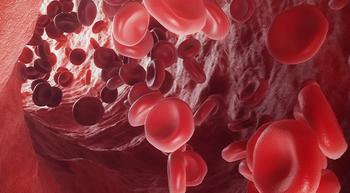
Jylamvo is an oral liquid formulation of methotrexate originally approved in 2022 for adults with acute lymphoblastic leukemia, among other diseases.

When my daughter couldn't express her words while she received treatment for brain cancer, her eyes told me everything I needed to know.

Researchers have identified genetic differences that can make leukemia relapse more or less likely among pediatric patients.

Niktimvo was approved for adults and children with chronic, pretreated graft-versus-host disease.

From Teddi Mellencamp revealing that she had more melanoma spots removed to Isabella Strahan announcing being cancer-free, here’s what’s happening in the oncology space this week.

The Food and Drug Administration recently approved Augtyro for the treatment of patients ages 12 and older with solid tumors harboring an NTRK gene fusion.
The Food and Drug Administration granted a traditional approval to Retevmo for adult and pediatric patients 2 years old and older with advanced or metastatic RET fusion-positive thyroid cancer.
Retevmo was approved for childhood metastatic medullary thyroid, thyroid and solid tumors with RET mutations or gene fusions.

Curing childhood cancer, any kind, is no place to be divided.
Ojemda treatment for certain patients with pediatric low-grade glioma is “well-tolerated” and may be safer than traditional options, an expert told CURE®.
The FDA has granted accelerated approval to Ojemda for patients 6 months and older with relapsed or refractory pediatric low-grade glioma with a BRAF fusion or rearrangement, or BRAF V600 mutation.
Lutathera was approved for patients 12 or older with SSTR-positive gastroenteropancreatic neuroendocrine tumors, the FDA announced.

Cancer comes with an awful storm, but the prisms of light can make it a little less worse.
Besponsa provides another — and potentially more effective — option outside of traditional chemotherapy for pediatric patients with relapsed or refractory B-ALL.

Musical play engages children with cancer, which relieves stress for them and their parents/caregivers, an expert said.
The investigational drug LSTA1 is being explored for the treatment of osteosarcoma, which starts in the bones and accounts for 2% of childhood cancers.
Last week we saw some FDA approvals come through, as well as research that explored the psychosocial outcomes of individuals who survived pediatric rhabdosarcoma.

Survivors of rhabdomyosarcoma may be at higher risk for poorer psychological outcomes, that radiation therapy and smoking may worsen.
The Food and Drug Administration approved Besponsa for pediatric patients aged 1 and older with relapsed or refractory CD22-positive, B-cell precursor ALL.
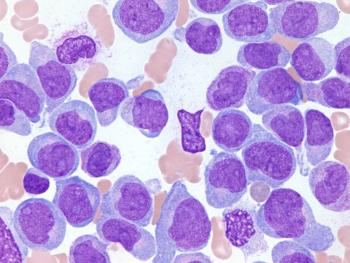
“Waiting” described the waiting room at Children’s Hospital to get my chemotherapy. “My Days” was a remembrance of the year I was diagnosed with leukemia.

A young girl once fought as hard as she could though cancer.
From International Childhood Cancer Day to an Ivory Coast soccer player making a victorious comeback after testicular cancer, here’s what is happening in the oncology space this week.
Last week, we saw a few moving parts in the regulatory space, from new NCCN guidelines for pediatric neuroblastoma treatment to FDA Fast Tracks and Priority Reviews

New guidelines provide a framework for pediatric neuroblastoma treatment — as well as conversations families should have with their oncology teams.

From Broadway actor Jeff Gorti opening up about his childhood cancer experience to Brian Barczyk of The Reptarium dying, here’s what’s happening in the oncology space this week.
Advertisement
Advertisement
Trending on CURE
1
My Sister and I Share a BRCA2 Mutation. We Didn’t Make the Same Choices
2
Could a Genomic Test Spare You Extra Years of Hormone Therapy?
3
10 Things That Got Me Through Treatment feat. Sally Kalksma
4
I’m Jealous of the World — and Grateful I Got to Be Part of It
5