


Gastrointestinal Cancers
Latest News
Advertisement
Latest Videos





Advertisement
More News

Updated data from GOBLET Cohort 4 demonstrated activity with Reolysin plus Tecentriq in patients with third-line metastatic squamous cell anal carcinoma.
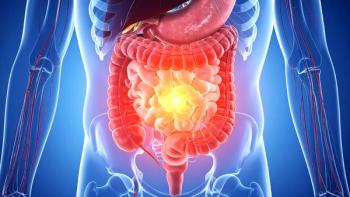
Understanding your diagnosis, the tests ahead and the treatment landscape is the first step in regaining a sense of control.
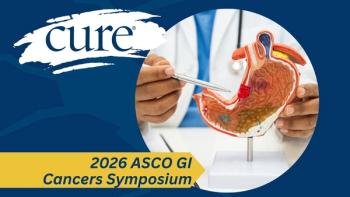
ECOG performance status was found to capture only part of the patient experience in gastric/GEJ adenocarcinoma.

These were the top gastrointestinal cancer stories published by CURE in 2025.
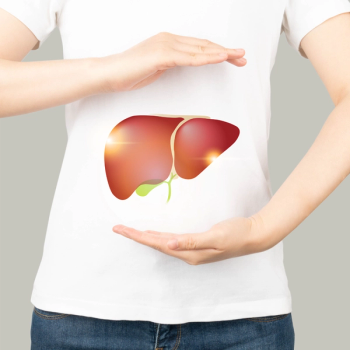
Education is a vital step in navigating gallbladder cancer care.
An expert discusses how precision oncology, immunotherapy, biomarker testing and clinical trials are expanding treatment options for patients with gastric cancer.

I share how an overlooked symptom led to my anal cancer diagnosis and why speaking openly about risks, stigma and symptoms can help others seek care sooner.

A diagnosis of anal cancer can feel overwhelming, but understanding the disease is the first step toward effective management and recovery.
The oral therapy DPTX3186 received fast track status to help speed development of a potential new option for patients with gastric cancer.
These are the basics of bile duct cancer, from diagnosis to treatment.
Long-awaited progress in rectal and gastric cancer research includes a fast track designation and new survival data.

Dr. Vinayak Venkataraman recently sat down with CURE to discuss the evolving treatment landscape for gastrointestinal stromal tumors.

The U.S. FDA has granted orphan drug designation to DPTX3186, an investigational therapy being developed for gastric cancer treatment.

Among patients with gastric/gastroesophageal junction (G/GEJ) adenocarcinoma that is resectable, Imfinzi with FLOT improved survival.

The FDA granted fast track designation to NG-350A for the treatment of patients with mismatch repair-proficient locally advanced rectal cancer.
After a stage 3b rectal cancer diagnosis, one patient endured radiation, chemotherapy, surgery, and complications, relying on resilience, advocacy and support.

Here is a primer on what patients who have received a diagnosis of gastrointestinal cancer need to know.

Imfinzi plus chemo cut progression or death risk in early gastric cancer; the FDA's decision is expected late 2025 following breakthrough designation.

Zanzalintinib plus Tecentriq significantly improved overall survival versus Stivarga in previously treated metastatic colorectal cancer, phase 3 data show.
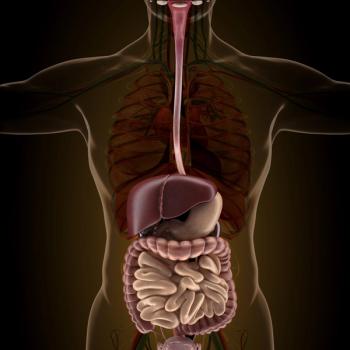
Adding Imfinzi to fluorouracil-based chemo improved event-free survival and response rates in resectable gastric and gastroesophageal junction cancer.
Second-line Enhertu improved key survival end points versus Cyramza plus paclitaxel for HER2+ gastric cancer or gastroesophageal junction adenocarcinoma.
Clinical trials improve care and access to novel treatments for advanced gastrointestinal cancers, says Dr. Michael Pishvaian.

Radiation therapy for gastrointestinal cancers is more precise and easier to tolerate due newer technologies and personalized care, according to experts.
FDA grants orphan drug designation to HLX22 for gastric cancer, with a phase 2 trial showing improved progression-free survival and objective response.
Dr. Valerie Lee discussed emerging targeted therapies and personalized medicine approaches that are showing promise for those with gastrointestinal cancer.
Advertisement
Advertisement
Trending on CURE
1
Exercise Gave Me Control. It Didn’t Cure My Cancer
2
Living With Incurable Cancer: The Emotional Toll of Never Knowing What Comes Next
3
FDA Approves Tukysa Combination as Maintenance for HER2-Positive Breast Cancer
4
Epkinly Plus R-CHOP Cuts Lymphoma Progression Risk by 51% in Phase 3 Trial
5