









Merkel cell carcinoma is a rare and aggressive form of neuroendocrine skin cancer. While it accounts for a small fraction of all skin cancer cases, its impact is significant.
Merkel cell carcinoma is a rare and aggressive form of neuroendocrine skin cancer. While it accounts for a small fraction of all skin cancer cases, its impact is significant.
USC doctors say careful staging and tumor testing help younger patients choose surgery and targeted treatments based on their cancer.
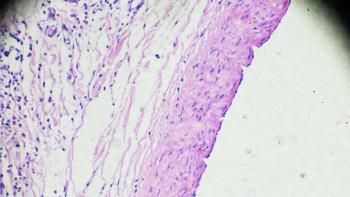
Hodgkin lymphoma is a cancer of the lymphatic system, which includes lymph nodes, the spleen and immune cells that help the body fight infection.

Stage 3 ccRCC is locally advanced but often treatable. Learn how it is diagnosed, treated, and managed to support informed decisions with your care team.

CURE sat down with Dr. Kathie-Ann Joseph to discuss surgical advancements for individuals with breast cancer.

I never thought about mantras until my diagnosis with colon cancer at the age of 34.

Dr. Maral Kibarian Skelsey discussed how advances in genetics and genomics are reshaping the understanding of skin cancer risk and prevention.
Dr. Jesse Miller Lewin sat down with CURE to discuss how advances in systemic and local therapies are reshaping the treatment landscape for skin cancer.

Patients with advanced melanoma experienced high response rates when treated with commercial Amtagvi in a real-world clinical study.

The FDA has granted orphan drug designation to zenocutuzumab-zbco for the treatment of adults with advanced unresectable or metastatic cholangiocarcinoma.
FDA expands access to CAR-T cell therapy for patients with relapsed or refractory PCNSL.
Dr. Elias Obeid says ongoing monitoring after treatment helps detect recurrence early and identify late effects, supporting survivorship for patients.

The U.S. FDA has issued an updated safety communication regarding two commonly used chemotherapy drugs, Xeloda and fluorouracil.
Dr. Suneel Kamath emphasized the growing importance of understanding biomarkers in patients with gastrointestinal cancers.

Relacorilant plus Abraxane showed benefit without biomarker testing, potentially expanding treatment access for patients with platinum-resistant ovarian cancer.

Oral KTX-1001 achieved 40% disease control in phase 1 trials, offering a new targeted therapy for aggressive t(4;14) translocation multiple myeloma.
Relacorilant plus Abraxane improved overall survival by 4.1 months without added toxicity and no biomarker testing in ROSELLA.
Dr. Joshua Sabari tells CURE that surgery, radiation and systemic therapy can affect the lungs, and he urges exercise and reporting new symptoms early.

Anxiety is not just an emotion but a presence with its own heartbeat, its own spirit, waiting in ambush for moments of vulnerability.
Dr. Meredith Pelster sat down for an interview with CURE to discuss new data surrounding new treatment outcomes for metastatic pancreatic cancer.

Ampligen and Imfinzi combination therapy demonstrated clinical activity for patients with metastatic pancreatic cancer.

Dietitians share a fiber- and protein-rich pastina bean soup to help patients with colorectal cancer stay nourished and manage GI symptoms during treatment.

The DONNA Foundation celebrated the 19th running of DONNA Marathon Weekend

Fred Batchelor, a liver cancer survivor, shares lessons on advocacy and why World Cancer Day keeps patients, families and their communities engaged.

After a brain cancer diagnosis, Dr. Bobby Mukkamala says becoming a patient highlighted care barriers, emotions and the need for access and support.

In honor of World Cancer Day, CURE sat down with experts and advocates to discuss the importance of this initiative.

NCCN Guidelines now recommend Trodelvy as a category 1 first-line option for PD-L1–negative metastatic TNBC following phase 3 trial results.

I witnessed that being a patient with cancer requires significant attention and care. Over time, I discovered that how we define our experience — and using a proactive mindset — are meaningful factors in the journey.
Dr. Obeid says genetics and ongoing monitoring guide treatment and survivorship helping patients and families plan ahead and detect recurrence earlier.

The U.S. FDA has granted fast track status to pelareorep combination therapy for some KRAS-mutant, microsatellite-stable metastatic colorectal cancers.