
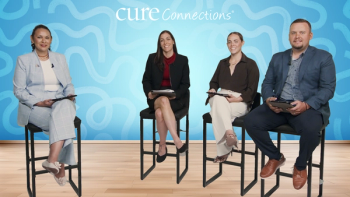
The discussion addresses practical aspects of living with ALK-positive disease, emphasizing that long-term oral therapy has transformed treatment possibilities from months to potentially decades of survival.
The discussion addresses practical aspects of living with ALK-positive disease, emphasizing that long-term oral therapy has transformed treatment possibilities from months to potentially decades of survival.
The discussion addresses practical aspects of living with ALK-positive disease, emphasizing that long-term oral therapy has transformed treatment possibilities from months to potentially decades of survival.
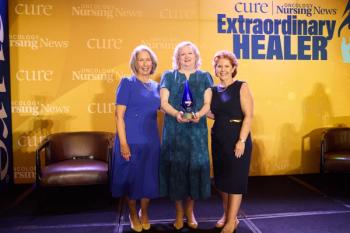
Oncology nurse Jill Winther discusses why understanding treatment reasoning and advocating for patients matters most in cancer care.
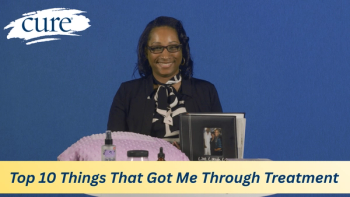
10 Things That Got Me Through Treatment ft. Kiana Wooten
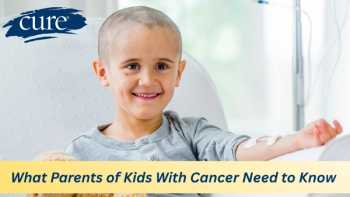
A pediatric oncologist explains how scalp cooling, fertility preservation and early planning protect children with cancer well beyond treatment.
After surviving breast cancer and relapsed non-Hodgkin lymphoma, Maitte Penalver is helping Hispanic patients with cancer feel seen, heard and supported through advocacy and education.

The former Real Housewives star opens up about her melanoma journey, the nurses who kept her sane, and why vulnerability might be the most powerful health tool there is.
Survivorship coach Eileen Lopez Tomei discusses the unique cultural barriers Hispanic and Latina cancer survivors face and why bilingual community events matter.
Oncology PT Dr. Leslie Waltke shares a simple at-home exercise to help cancer patients and survivors rebuild strength, balance, and mobility
After a stage 4 colon cancer diagnosis at age 40, survivor Kasia Orzechowska now advocates for early screening and self-advocacy to help save lives.
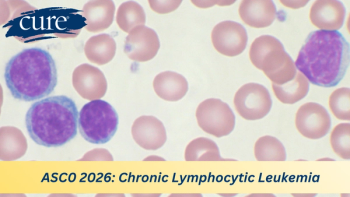
New data show a leukemia treatment working better in real patients than expected with response rates nearly double what trials showed. Here's what it could mean for you.
Dr. Florez introduces shared decision-making as a collaborative approach ensuring patient voices, values, and goals become integral components of treatment planning, particularly crucial for young patients facing long-term therapy with implications spanning treatment selection, side effect management, and family dynamics.
The discussion transitions to biomarker testing as an essential component of lung cancer diagnosis, with Dr. Florez emphasizing that diagnosis remains incomplete until molecular characterization is performed.

In this episode of The Moonlight Shift, Joshua Richter, MD, associate professor of medicine in The Tisch Cancer Institute, Division of Hematology and Medical Oncology, and director of Multiple Myeloma at the Blavatnik Family- Chelsea Medical Center at Mount Sinai, joins host Gina Mauro for a conversation about a disease he says he can no longer describe the way he once did — and why that change is one of the most remarkable shifts in modern oncology.
Psychologist Ian Sadler explains why many patients with cancer face anxiety and emotional challenges after treatment ends and why mental health support matters.

Early ASCO data show emiltatug ledadotin produced durable responses in patients with aggressive adenoid cystic carcinoma.
Five-year KEYNOTE-942 data show a personalized cancer vaccine plus Keytruda reduced recurrence risk in patients with high-risk melanoma.

Trodelvy plus Keytruda extended benefit beyond progression in PD-L1-positive metastatic triple-negative breast cancer.
Learn the answers to common questions about bladder cancer, including symptoms, risk factors, stages, BCG therapy, side effects and treatment options.
Dr. Narjust Florez introduces a multidisciplinary panel including nurse practitioner Stephanie McDonald and Megan and Matt Flanagan, a couple navigating ALK-positive non-small cell lung cancer.
Teen cancer survivor Brynn and friend Teddy created Soothe Note, a free app helping patients track symptoms and prepare for appointments.
Dr. John Marshall explains why biomarker testing should be done early in colorectal cancer to guide treatment and identify targeted therapies.
Kassiane Saieed explains how genomic tools provide data to help patients personalize their breast cancer treatment and survivorship.
Dr. Emily Podany links food deserts to aggressive breast cancer mutations and shorter survival, stressing the need for social determinant screening.
Dr. Paolo Tarantino discusses the importance of strategic sequencing and drug-specific prophylaxis to optimize ADC therapy in breast cancer.
KEYNOTE-522 trial data shows adding Keytruda to chemotherapy drastically improves long-term survival for high-risk, early-stage TNBC.

Hear a stage IV melanoma survivor and nurse share TIL therapy insights, healthy-living tips, and why specialized cancer centers matter.
Learn what to expect after TIL therapy: caregiver help, nearby lodging, fatigue recovery, frequent labs, and 24/7 team support for safe healing.
A patient shares motivation after CAR T/TIL therapy as experts reveal caregiver tips for recovery, safety, and avoiding burnout.

First-in-human pancreatic cancer trial at WVU tests an implant that delivers chemotherapy directly into tumors using low-voltage electric pulses.