
A USC study finds immunotherapy increases PAD risk by 60%. Experts advise vascular monitoring to help prevent limb loss in cancer survivors.
A USC study finds immunotherapy increases PAD risk by 60%. Experts advise vascular monitoring to help prevent limb loss in cancer survivors.

Subcutaneous immunotherapy for melanoma cuts clinic time, boosts comfort and autonomy, and helps patients keep work, family, and passions.
Patients welcome subcutaneous immunotherapy for shorter clinic time, with the same monitoring—reshaping expectations of cancer care.
Oncology dietitians shared smoothie and turmeric latte recipes to help patients with breast cancer manage nutrition during treatment.
MD Anderson’s trial uses psilocybin and psychotherapy to treat cancer-related anxiety, helping patients thrive through neuroplasticity.
After a devastating pancreatic cancer diagnosis, Sharon chose a personalized treatment path that helped inspire future research.

Patient recounts IL‑2 therapy chills, rigors, ICU seizure scare, and recovery—what treatment feels like and why monitoring matters.
Inside TIL therapy: daily hospital routines, caregiver support, chemo and infusion steps, and what recovery questions patients ask most.
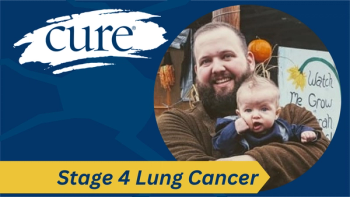
Logan Terry, who has stage 4 ALK-positive lung cancer, encouraged patients with cancer to keep living fully after diagnosis and not be defined by fear or bitterness.

Dr. Samyukta Mullangi shares how AI can help patients understand oncology visits, ask better questions, and feel more engaged in their care.
CURE spoke with Dr. Michael E. Kasper, medical director of radiation oncology at the Eugene M. and Christine E. Lynn Cancer Institute at Boca Raton Regional Hospital.
Rutgers researchers find tactical problem-solving significantly lowers anxiety and empowers young adult cancer patients to manage developmental stressors.
Discover how subcutaneous melanoma immunotherapy replaces IV infusions, cutting clinic time while delivering the same proven drug and results.
IV vs subcutaneous nivolumab feels similar, experts say—watch the same toxicity labs, and calm mild injection-site reactions with ice or Benadryl.
Dr. Ginger J. Gardner highlights the vital role of caregivers in cancer care, emphasizing support gaps, shared experiences and patient-centered solutions.

A patient details diagnosis, transplant treatment and the complex path to recovery and survivorship after leukemia.
Inside a TIL therapy hospital stay: daily routines, caregiver support, and what to expect from chemo, infusion, and recovery.
A patient recounts sudden vision changes leading to brain tumor surgery and a switch from immunotherapy to targeted therapy and new TIL treatment.
Dr. David Greenberg outlines bladder cancer staging, BCG, immunotherapy, surgery, quality of life impacts and long-term follow-up care strategies.
KRAS was long thought undruggable in cancer until scientists discovered a hidden binding pocket in mutant KRAS, leading to targeted therapies.
Dr. Ramy Sedhom discusses how embedded psychosocial care in oncology may improve access, engagement and emotional support during cancer care.
Urologist Dr. Susan MacDonald breaks down the differences between soft tissue and blood cancers while highlighting common and rare disease types.
MD Anderson’s Dr. Wendy Woodward discusses breath-hold techniques, insurance hurdles, and proton therapy’s role in reducing radiation cardiac toxicity.
Dr. Tony Anderson speaks about fertility preservation options for men and women before cancer treatment, emphasizing early testing and timely referral.
This segment highlights a real-world patient perspective on immunotherapy tolerability in advanced melanoma. Ms. Haupert shares that she experienced minimal side effects during treatment, primarily limited to intermittent fatigue that required occasional rest days. She reflects on feeling fortunate to maintain a relatively stable quality of life throughout therapy. She also notes ongoing monitoring of thyroid function following treatment, illustrating how some immune-related effects may require continued follow-up even after therapy completion. Dr. Morrison provides broader clinical context, explaining that many patients receiving immunotherapy experience mild or manageable side effects, while a smaller proportion may develop more significant toxicities that require intervention. He emphasizes that these effects are generally well understood and can be managed effectively with appropriate monitoring and care. Overall, this segment reinforces variability in patient experience while highlighting the importance of ongoing surveillance in advanced melanoma.
Learn which immunotherapy side effects matter most—rash, breathing changes, diarrhea, fatigue—and why labs track liver, kidney, thyroid inflammation.
Dr. Tony Anderson discusses key questions after a cancer diagnosis and fertility planning.
We are entering an era where "cure," specifically a functional cure, is no longer a forbidden word in the myeloma community.
New T-cell engagers and ADCs show survival gains in pretreated small cell lung cancer, signaling long-awaited progress and more treatment options for patients.
Although AI can support complex oncology decision-making, physician judgment remains critical to ensuring safe, individualized patient care.