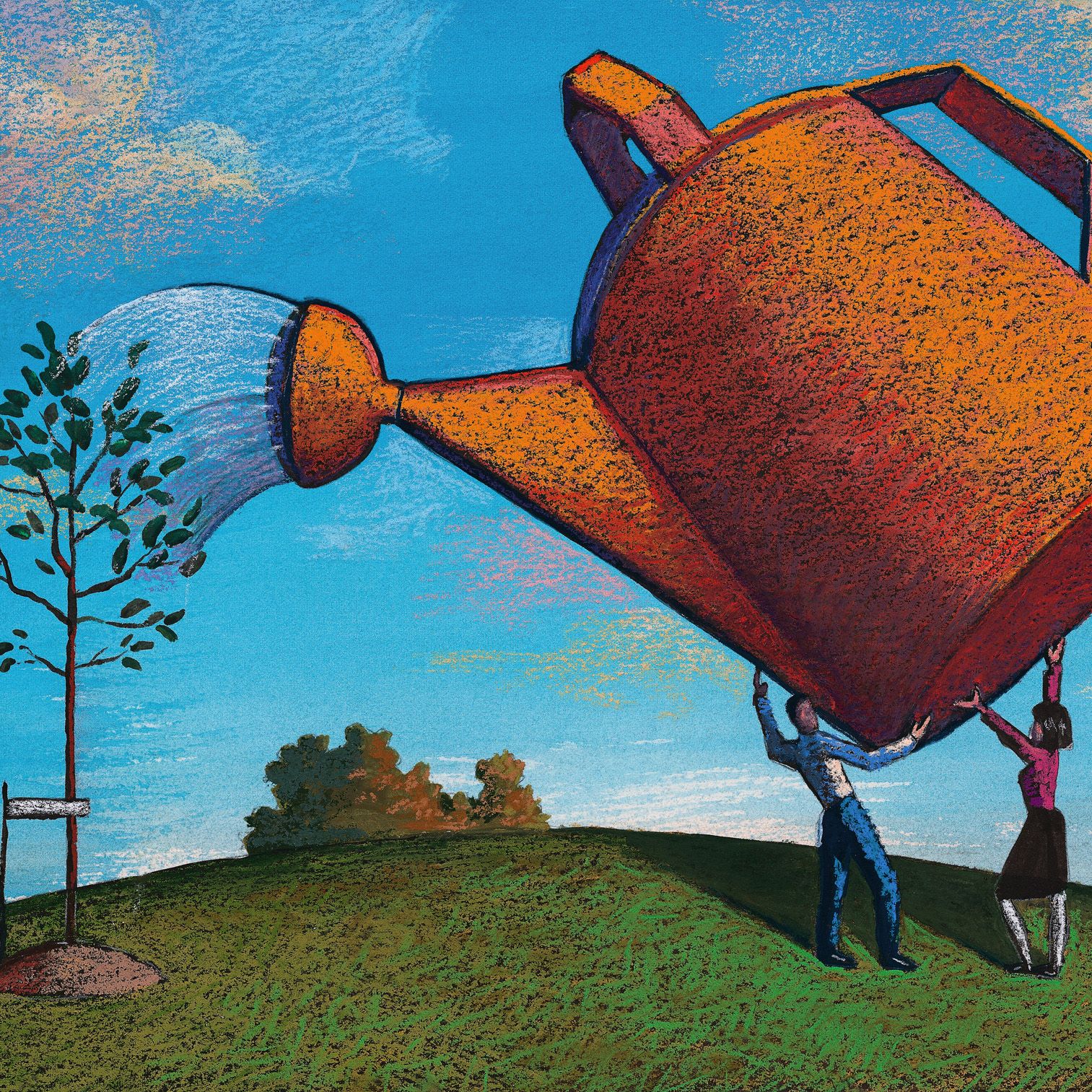

I know what scares me about metastatic cancer. Except when I don't...
I know what scares me about metastatic cancer. Except when I don't...
Recording personal thoughts during cancer can be a helpful way to process feelings.
Two studies examine the importance of knowing if you have dense breast tissue.
Bittersweet memories for the heart and soul.
Cancer survivor discusses the emotional difficulties that came with going back to work after surviving breast cancer and skin cancer.
There are heavy societal pressures on women who choose to forego breast reconstruction surgery after cancer.

The treatment landscape of triple-negative breast cancer is vastly changing. CURE spoke with Joyce A. O’Shaughnessy, M.D. about what to expect.
Perhaps by saying I’ll be fine, you are really saying that you don’t have to think of me in any other way.
Cancer-fighting weapons need to be chosen carefully and deliberately by each individual fighting the battle for their life.

A recent study found that having high breast density may actually be a more prevalent risk factor than some of the other common factors.

There have been exciting developments in the field of HER2-positive breast cancer.
A male breast cancer survivor explains why living with cancer never gets old.
Two-time cancer survivor just doesn't trust the body that betrayed her--twice.
A recent trial showed that ribociclib had the similar benefits for elderly patients with breast cancer as it did for younger patients.

A study being conducted at the MD Anderson Cancer Center is looking at whether certain patients with breast cancer can forgo surgery.

Group exercise programs are beneficial to survivors of cancer, and can offer motivation from peers to continue living a healthy lifestyle.
Feelings of depression can be overwhelming after a diagnosis of breast cancer, and shame is often attached to those feelings.
Jenny C. Chang, M.D., discusses the future of breast cancer care, and what role molecular testing will play.
20 days without treatment of metastatic cancer is no way to run a nation's health care.

Symptoms like depression and fatigue can linger long after cancer treatment ends. Researchers at Duke created an online program to help survivors cope.

In a recent study, Abraxane (nab-paclitaxel) and carboplatin reduced risk of progression or death in patients with triple-negative breast cancer.