

Masculine medicine for the modern man
Masculine medicine for the modern man
Remembering what the fear of breast cancer felt like on the day you were diagnosed is not only necessary, but valuable.

Poor diet in adolescence and early adulthood may increase a woman's chance of developing premenopausal breast cancer, according to the findings of a recent study.
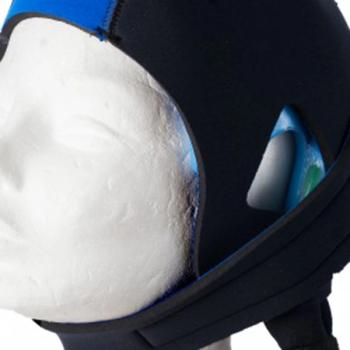
HairToStay focuses on getting patients with cancer access to cooling caps so that they reduce their chance of losing their hair.
The CARE Act is helping caregivers of patients with cancer get the support and education that they need.

Managing brain metastases has become a difficult problem in patients with breast cancer.
Breast cancer and melanoma survivor vents about her weight gain frustrations several years out from her original cancer diagnosis.
We whisper it. We avoid it. But as scary as open communication is, we must utter that word.
Two-time survivor reflects about the cancer experience and offers perspective and hope.
After two years of writing for CURE, my story is suddenly as real as it gets.
The routine removal of sentinel nodes during surgery for breast cancer may not be necessary, and can contribute to painful lymphedema.
The loss of hair during cancer treatment really can be devastating.

In a recent phase 3 trial, Lynparza improved progression-free survival in patients with BRCA-positive, HER2-negative breast cancer.
Breast cancer survivor shares her chemotherapy tips for patients who need chemotherapy.
After indulging a bit too much over the holidays, it's time to get back to the real world.
I know what scares me about metastatic cancer. Except when I don't...
Recording personal thoughts during cancer can be a helpful way to process feelings.
Two studies examine the importance of knowing if you have dense breast tissue.
Bittersweet memories for the heart and soul.
Cancer survivor discusses the emotional difficulties that came with going back to work after surviving breast cancer and skin cancer.
There are heavy societal pressures on women who choose to forego breast reconstruction surgery after cancer.

The treatment landscape of triple-negative breast cancer is vastly changing. CURE spoke with Joyce A. O’Shaughnessy, M.D. about what to expect.