
News|Videos|September 2, 2016
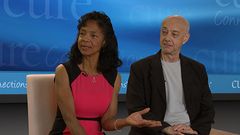
What a Carcinoid Cancer Diagnosis Means
Advertisement
Episodes in this series






Advertisement
Related to this article

Hot flashes are common during and after breast and prostate cancer treatment. Here is how hormone treatments compare with the nonhormonal medicines, therapies and comfort steps that national guidelines list, and why the right choice depends on your cancer.
An updated ASTRO guideline released Oct. 27, 2026, says most men getting radiation for prostate cancer that has not spread can safely finish treatment in weeks instead of months, and many can finish in five sessions. Here is what that means for patients.

City of Hope experts share integrative therapies that may ease breast cancer side effects such as joint pain, hot flashes, poor sleep, fatigue and anxiety.

A breast cancer survivor and yoga teacher shares how oncology yoga supported her healing and why free classes can help people with cancer and caregivers.
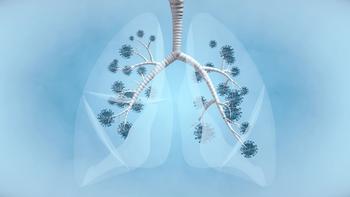
For ALK-positive lung cancer, five-year CROWN trial results show 60% of people taking Lorbrena first were alive without cancer growth, versus 8% on an older drug. Here is who can take it, how it is dosed and how side effects such as high cholesterol and mood changes are managed.

Cancer treatment can change appetite, taste and how food sits, but practical steps backed by the National Cancer Institute, the American Cancer Society and ASCO can help people get the protein and calories they need, safely.
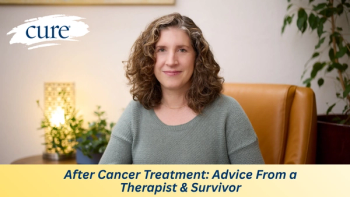
Psychotherapist and two-time breast cancer survivor Ann Rivello explains why the end of treatment can feel isolating, and how support groups, a point person and breaks from cancer can help.
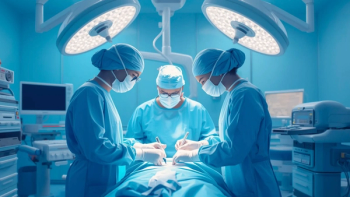
Nearly half of U.S. counties, home to 26.6 million people, have no local surgeon who operates on digestive cancers, and those counties had higher death rates from colorectal, pancreatic and liver and bile duct cancers, a national study found.
Advertisement
Advertisement
Trending on CURE
1
FDA Approves Wilserdly to Lower Recurrence Risk in Early Breast Cancer
2
What Comes After Cancer Treatment Ends
3
A Psycho-Oncologist Explains How to Address Sexual Health After Cancer
4
Childhood Cancer Survivor Harper on Hope, Healing and Giving Back
5