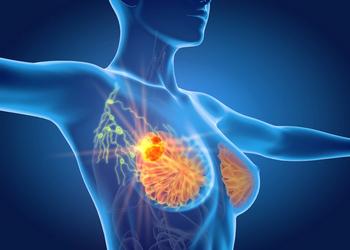
City of Hope experts share integrative therapies that may ease breast cancer side effects such as joint pain, hot flashes, poor sleep, fatigue and anxiety.
Hot flashes are common during and after breast and prostate cancer treatment. Here is how hormone treatments compare with the nonhormonal medicines, therapies and comfort steps that national guidelines list, and why the right choice depends on your cancer.
If you are taking hormone therapy for breast cancer or androgen deprivation therapy (ADT) for prostate cancer, the sudden waves of heat known as hot flashes may be one of the side effects you notice most. They can wake you at night, interrupt work and conversations, and make it harder to stay on a treatment that is protecting you from cancer coming back.
The good news is that there are several ways to treat them. The choice between a hormone-based option and a nonhormonal one depends a great deal on what kind of cancer you had, which is why this is a conversation to have with your oncologist rather than your pharmacy shelf.
A hot flash is "a sudden feeling of warmth in the upper body," according to the National Comprehensive Cancer Network (NCCN) Guidelines for Patients on survivorship. They are also called hot flushes, night sweats or vasomotor symptoms.
In women, they happen when estrogen and progesterone levels drop. That can be caused by surgery to remove the ovaries, drugs that stop the ovaries from working, chemotherapy or pelvic radiation that damages the ovaries, and hormone therapies such as tamoxifen and aromatase inhibitors, according to the National Cancer Institute (NCI). In men, the cause is a fast, large drop in androgens (male hormones such as testosterone), which happens after surgery to remove the testicles or with drugs used to lower androgens for prostate cancer. NCCN notes that the slow decline in hormones with normal aging does not cause hot flashes the same way.
Estrogen replacement can control hot flashes during natural or treatment-related menopause, NCI says, but many women with breast cancer cannot take it. NCI warns that estrogen given with a progestin may raise the risk of breast cancer or of breast cancer coming back. NCCN puts it plainly: hormones "may be used to treat hot flashes but are not safe for some cancer survivors." For survivors whose cancer was not fed by hormones, hormone treatment may be a reasonable option, and NCCN notes that treating hot flashes with hormones "is safe for some survivors."
For men on ADT, NCCN lists medroxyprogesterone acetate, cyproterone acetate and estrogen as hormone options. NCCN also notes that some men may be able to take planned breaks from ADT to relieve side effects like hot flashes, a decision that has to be weighed against cancer control.
For people who cannot or prefer not to use hormones, certain antidepressants and anti-seizure drugs work at low doses. NCCN names venlafaxine as its preferred antidepressant and gabapentin as its preferred anti-seizure medicine for menopausal hot flashes, and lists both as options for men on ADT. Other options in the guideline include other antidepressants such as escitalopram and sertraline, pregabalin, clonidine, oxybutynin and fezolinetant (Veozah). NCCN notes that fezolinetant is a newer treatment that still needs to be tested in people with breast cancer, and CURE has reported on research into
These medicines have trade-offs. NCI says many nonhormonal drugs do not work as well as estrogen replacement and can cause side effects such as nausea, dry mouth and fatigue with antidepressants, dizziness and trouble concentrating with anti-seizure drugs, and constipation and insomnia with clonidine. If you take tamoxifen, make sure your doctor knows, because NCI notes some antidepressants may change how tamoxifen works in the body.
Cognitive behavioral therapy (CBT), a short-term form of talk therapy that teaches practical coping skills, "may help reduce the impact of hot flashes," NCCN says, and hypnosis and yoga are also listed. Results for acupuncture are mixed, according to NCI. Simple comfort steps such as loose cotton clothing, layers, fans and limiting alcohol can also make a difference day to day.
Be cautious with supplements. NCI reports that vitamin E works only slightly better than a placebo (an inactive pill), and that soy and black cohosh were no better than a placebo in most studies. Talk with your care team before trying any herbal product, since some can interact with cancer treatment.
Hot flashes are a common reason people consider stopping hormone therapy early. One CURE contributor wrote about
For more news on cancer updates, research and education,