

News|Videos|September 2, 2016
Affording the Best Care
Advertisement
Episodes in this series



















Advertisement
Related to this article

A once-daily oral pill gives patients with symptomatic TGCT another option when surgery could cause more harm than good.

A mother whose daughter is seven years past breast cancer treatment shares how scan anxiety and waiting shape life after cancer for survivors and families.

A review of 29 studies in more than 22,000 women 65 and older with ER-positive breast cancer found no statistically significant survival difference between hormone therapy alone and surgery first, though surgery controlled the cancer in the breast better.

A 12-year breast cancer survivor with 16 tattoos, including radiation marks, weighs new research on tattoos and lymphoma risk and the questions it prompts.

Medicare's Part D out-of-pocket cap rises to $2,400 in 2027. Here is what that means for people taking costly oral cancer drugs, how the monthly payment plan works with it and what to check before open enrollment ends Dec. 7.
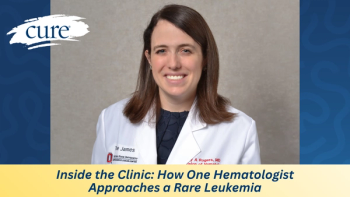
Ohio State hematologist Dr. Kerry Rogers says chemotherapy and newer targeted drugs both work well, and the right choice depends on the patient.
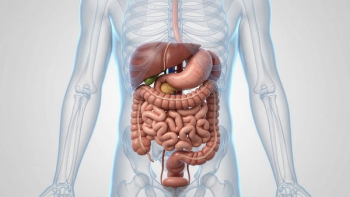
For World NET Cancer Day, CURE answers seven common questions about neuroendocrine tumors, from carcinoid syndrome and Ki-67 to dotatate PET scans and treatment options.
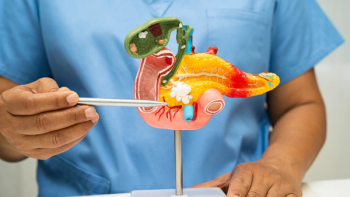
Most people with pancreatic cancer lose weight they didn't mean to. Here is how weight loss from poor digestion differs from cachexia, and what enzymes, eating strategies and appetite medicines can do.
Advertisement
Advertisement
Trending on CURE
1
5 Ways to Cope With Scanxiety While Waiting for Cancer Results
2
5 Lung Cancer Survival Numbers Patients Should Know in 2026
3
Inside the Clinic: How One Hematologist Approaches a Rare Leukemia
4
Neuroendocrine Tumors: 7 Questions Patients Ask, Answered
5