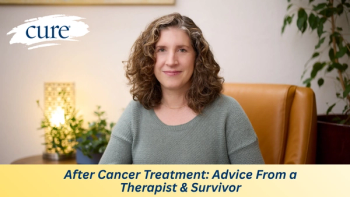
Psychotherapist and two-time breast cancer survivor Ann Rivello explains why the end of treatment can feel isolating, and how support groups, a point person and breaks from cancer can help.
Diagnosed with leukemia at 8 during the COVID-19 pandemic, Harper looks back on the people, pets and purpose that got her through treatment.
Harper was 8 years old when two doctors walked into her hospital room and told her family she had cancer. More tests confirmed acute lymphoblastic leukemia, the most common childhood cancer.
“Am I going to die? Will my hair fall out? Will I ever see my friends again?,” Harper said.
At first, no one could answer. Harper was admitted to the hospital right away and stayed for several days, holding on to the hope of going home to see her dog, Jimmy.
Her treatment took place during the COVID-19 pandemic, which made a hard road lonelier. Children in cancer treatment often have weakened immune systems, and even a common cold can be life-threatening. Harper had to stay away from many of the people she loved, and pandemic rules kept therapy dogs out of her room. Some hospital stays kept her away from home for weeks at a time.
What helped, she says, were the people and animals around her. Child life specialists explained her treatment in words a child could understand, which she calls "the biggest light." Jimmy lay beside her on her sickest days. She began horseback riding during treatment and still rides today.
One of her biggest fears was losing her hair. After shaving her head, Harper looked in the mirror and realized she was still the same girl, and still beautiful.
Her final hospital stay ended with a confetti celebration from the staff, and she later rang the bell that marks the end of treatment. She describes that moment as a kind of freedom no one should have to earn this way, but one she will never forget. After almost a year away, she also returned to school.
Today, Harper speaks up for other children facing cancer and supports research into childhood cancers.
“The journey will be hard, but you can get through it,” Harper said. “Look for the light at the end of the tunnel, remember that someone is always on your side, and never give up.”
For more news on cancer updates, research and education,