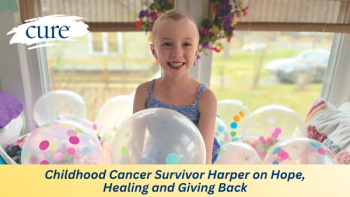
Diagnosed with leukemia at 8 during the COVID-19 pandemic, Harper looks back on the people, pets and purpose that got her through treatment.

Psycho-oncologist Joycelyn Lee, PhD, MBA, explains the emotional side of sexual health after cancer and how patients and partners can reconnect.
Nearly every person treated for cancer experiences some change in sexual health, yet the topic is rarely discussed between oncologists and their patients. Joycelyn Lee, PhD, MBA, a clinical psychologist and director of psychosocial oncology at the University of Miami Sylvester Comprehensive Cancer Center's Cancer Survivorship and Supportive Care Institute, explained the emotional side of these changes and when patients should seek support.
Psycho-oncology is a subspecialty of health psychology focused on people with cancer and the distress that can come with a diagnosis. According to Lee, sexual health often goes unaddressed because "the focus is life-saving treatment," not the short- and long-term effects of that treatment.
Physical changes vary by cancer type and treatment. Lee noted that people with prostate cancer face a greater risk of erectile dysfunction. Women with breast cancer may notice changes in sensation after a lumpectomy or mastectomy, changes in libido from hormonal treatments and vaginal dryness from aromatase inhibitors.
On top of those physical changes is the emotional impact. Lee pointed to the American Sexual Health Association's definition of sexual health, which includes sexual response, desire, feeling desirable, intimacy and reproductive health. "When a person is diagnosed with cancer, that can be disrupted," she said, adding that this can lead to sadness, grief and significant emotional distress.
To help patients feel at home in their bodies again, Lee first works with them on recognizing the many ways they contribute to their lives and find meaning, with sexual function as one part of that. From there, they explore how a person might express themselves sexually, whether on their own or with a partner. That can include changes in appearance that help someone feel more confident, working through strong emotions that come up while dating or navigating difficult conversations with a current partner. "Generally speaking, people don't talk about sex in their everyday conversations," she said.
For couples, Lee recommends using "I" statements to share needs and invite a partner to meet them halfway. One example she offered: "I am feeling sad right now because I don't feel as close as I did to you as before, and I want to figure out ways for us to feel closer." She also suggested starting small. For some couples, that means sitting on the sofa and holding hands, then building toward more intimate contact while checking in with each other. Both partners should feel comfortable saying they aren't ready, suggesting something else or stopping.
Some patients feel guilty for thinking about sex while focused on survival. "That is a part of being human," Lee said, adding that intimacy and cancer treatment are not mutually exclusive. She encourages patients who feel well enough to stay connected with that part of themselves and to take the pressure off, noting that people often think of sex "as an act or a performance versus an experience and a way to connect."
Lee also encouraged patients to question their own assumptions. A person may believe others won't find them attractive because of a scar or another change after cancer, but she said a thought is not automatically true, and patients can look for evidence before letting it keep them from connecting with others.
According to Lee, it may be time to reach out to a psycho-oncologist or counselor when a change keeps someone from doing what they value, such as avoiding social events out of worry that an ostomy bag or scar will be noticeable, or avoiding dating out of fear that no one will be attracted to them. Anxiety, sadness or worry that disrupts sleep or can't be managed with skills like breathing exercises or talking with a friend is another sign. Support can include psychotherapy, medication management, art therapy, music therapy and support groups.
For more news on cancer updates, research and education,