

Some of the greatest doctors in the world were responsible for my survival and recovery from acute myeloid leukemia…but the Three Stooges, W.C Fields, Abbott and Costello, Laurel and Hardy and The Marx Brothers played a major role as well.
Some of the greatest doctors in the world were responsible for my survival and recovery from acute myeloid leukemia…but the Three Stooges, W.C Fields, Abbott and Costello, Laurel and Hardy and The Marx Brothers played a major role as well.

Following its announcement of covering chimeric antigen receptor-T cell therapy nationwide, the Centers for Medicare and Medicaid Services has now made this highly-priced, but life-saving, treatment available to many who would not otherwise have access to it at their cancer centers.

Here are the top 5 CURE stories for July 2019.

Here is a list of the recent trial initiations that occurred within the cancer space in July.
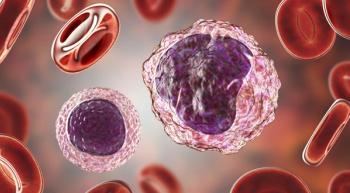
With the Food and Drug Administration’s approval of Ruxience, a biosimilar to Rituxan, patients with certain types of non-Hodgkin lymphoma and chronic lymphocytic leukemia may have improved access to a more affordable treatment option.

The Food and Drug Administration approved Ruxience (rituximab-pvvr), a biosimilar to Rituxan (rituximab), for the treatment of certain adult patients with CD20-positive B-cell non-Hodgkin’s lymphoma and those with chronic lymphocytic leukemia.

Children born to women who are considered severely obese have greater chances of developing cancer before the age of 5, according to new study findings.

From Trump’s executive order regarding drug prices to today’s top performers and athletes, here’s what is making headlines in the cancer space this week.
The Hairy Cell Leukemia Foundation will host a free patient forum on July 17th with guest speaker Dr. Martin Tallman from Memorial Sloan Kettering Cancer Center. This forum is free and open to the public and will cover a range of issues related to patients’ journey with hairy cell leukemia.
Here are the top 5 CURE stories for June 2019.
From cancer-sniffing dogs to music therapy for pain, here’s what is making headlines in the cancer space this week.


Patients with chronic lymphocytic leukemia should learn about the latest advancements, says one expert.

The addition of Venclexta to Gazyva induced prolonged progression-free survival – or the time from treatment to disease worsening – among patients with previously untreated chronic lymphocytic leukemia.

In a talk about her new book, Vanessa Bayer explains how leukemia contributed to her comic perspective and sense of empathy.
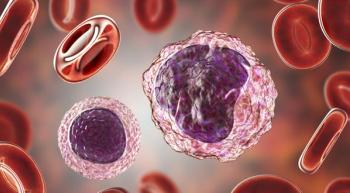
Patients with chronic lymphocytic leukemia have newer options that include targeted therapy combinations and CAR-T cell therapy.
After treatment, this survivor was terrified of everyone and everything until her very wise doctor said, “I did not put you through all this for you to put yourself in a bubble – go live your life.” And she has… for 16 years and counting.