


Tavalisse (fostamatinib) was granted approval by the Food and Drug Administration (FDA) for patients with chronic immune thrombocytopenia (ITP) after they had an insufficiencent response to another therapy.
Tavalisse (fostamatinib) was granted approval by the Food and Drug Administration (FDA) for patients with chronic immune thrombocytopenia (ITP) after they had an insufficiencent response to another therapy.
A new drug combination bested current standard of care in a clinical trial.
The Food and Drug Administration (FDA) granted duvelisib a priority review to a new drug application (NDA) for full approval to treat patients who have relapsed or refractory chronic lymphocytic leukemia or small lymphocytic leukemia (CLL/SLL). The FDA also granted an accelerated approval for the treatment of patients with relapsed or refractory follicular lymphoma.

After extensive chemo treatment was completed, intended to kill all the leukemic cells in my sick body, a courier was sent to Israel to collect the harvested marrow from my donor, and immediately fly it back to the U.S. where I was to be infused.
The potential approval offers hope to the rare blood cancer, which currently has no standard of care treatment protocol.
Blincyto (blinatumomab) was granted approval by the Food and Drug Administration (FDA) to treat patients who have B-cell precursor acute lymphoblastic leukemia (ALL), who are in remission but still have minimal residual disease (MRD).
Tasigna (nilotinib) was granted Food and Drug Administration (FDA) approval, to be used in the first- and second-line setting for pediatric patients 1 year old or older who have Philadelphia chromosome–positive chronic myeloid leukemia in the chronic phase (Ph+ CML-CP).
The time has finally come when researchers have found a way to harness the immune system and use it to fight blood cancers.
Never in their wildest dreams dreams would immunologists from the last generation have imagined chimeric antigen receptor (CAR)-T cell therapy coming to light. The very notion of genetically engineering a T cell to recognize a tumor antigen would have been viewed almost as a pipe dream.

Cognitive dysfunction among geriatric patients with blood cancers – such as multiple myeloma, leukemia and lymphoma – is not only prevalent, but may also impact long-term survival.
Survey finds quality of life and cost affect treatment decisions.
New drugs bring advancements to acute myeloid leukemia after 40 years.
Newly approved CAR-T cell treatments inspire hope in patients with blood cancer.
Ivosidenib (AG-120) was granted a priority review designation by the Food and Drug Administration (FDA) for the treatment of patients with relapsed/refractory IDH1-mutant acute myeloid leukemia (AML), according to a statement from Agios Pharmaceuticals, the company developing the targeted therapy.

Kymriah, which is the first FDA-approved CAR-T cell therapy, is showing promising results in pediatric patients with acute lymphoblastic leukemia.

While causes for pneumonia were varied – including bacteria (14 percent), virus (22 percent) and unspecified (64 percent) – the majority of children did not have immune deficiencies recorded at the time of their pneumonia diagnosis.

Health care practitioners were surprised when they saw 10 cases of a very rare cancer in the New York City area. As it turned out, most of the patients weren't originally from New York.

William G. Wierda, M.D., Ph.D., medical director of the Leukemia Center at The University of Texas MD Anderson Cancer Center, discusses how to best combine and sequence therapies for patients with chronic lymphocytic leukemia (CLL).

Why do some pediatric ALL survivors live the rest of their lives cancer-free, while others face secondary cancers or death?
Gary thought he had emphysema, but ended up preparing to fight for his life.

While the treatment of leukemia has greatly advanced since 1946, so has the organization. In the past seven decades, LRF has raised more than $75 million for its mission of conquering not only leukemia, but all blood cancers.
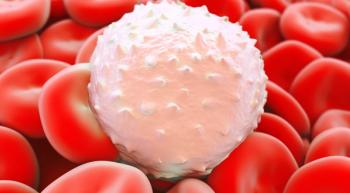
So, wouldn't it be nice to have a quantitative way to say how deep the remission is? Historically, it’s been felt that if you just scratch the surface and get below the 5 percent blast level, you’re probably going to relapse. And if you get deeper, you might not.

The FDA approved a new combination for patients with newly-diagnosed low-risk acute promyelocytic leukemia (APL).
"Breathe in God, breathe out cancer," I prayed with as much conviction as I could muster.