

Leukemia
Latest News
Advertisement
Latest Videos


Advertisement
More News

Results from an early-phase trial showed that cirmtuzumab plus Imbruvica is safe and efficacious in treating patients with relapsed/refractory MCL and CLL.


Understanding cancer means knowing it’s more than one disease.
Dr. Richard Pazdur, director of the Food and Drug Administration’s Oncology Center of Excellence, has noted that the agency is committed to expediting oncology drug development despite the challenges posed by the COVID-19 pandemic.

Patients with blood cancers are facing unprecedented challenges to their treatment journeys as the COVID-19 pandemic continues to disrupt the cancer landscape. Which is why the Leukemia and Lymphoma Society is looking to offer its own lifeline to patients.
The Food and Drug Administration, under its global Project Orbis, approved the combination of Imbruvica and Rituxan for patients with CLL and SLL.
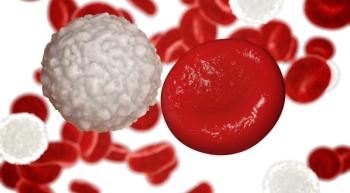
First validated prognostic score offers valuable insights for patients with chronic lymphocytic leukemia who are prescribed active surveillance.

Bruton tyrosine kinase (BTK) inhibitors and other new drugs are improving outcomes for patients with CLL.
The COVID-19 pandemic has created a unique challenge for patients with myelodysplastic syndromes and acute myeloid leukemia, creating many questions that experts tried to answer in a recent webinar from The Aplastic Anemia and MDS International Foundation.
Two hematologist/oncologists on the LLS leadership team, and experts in the field of blood cancer, answer questions and concerns about coronavirus (COVID-19).
The COVID-19 pandemic's impact is being felt all throughout the cancer community, and experts from the CLL Society hosted a webinar to discuss the specific impacts of the pandemic on patients with chronic lymphocytic leukemia.


The COVID-19 pandemic will continue to alter how patients with cancer receive their treatment, and experts within the United States who saw the virus strike early are offering their advice to other hospitals just starting to feel the effects.
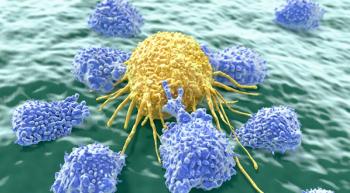
Patients with relapsed or refractory CD19-positive cancers experienced complete responses with no major side effects following treatment with CAR-NK cell therapy.
Patients with acute myeloid leukemia whose disease has relapsed or become resistant to treatment saw a benefit with a combination of Opdivo and Vidaza.
Patients with acute myeloid leukemia often have to undergo transplant during treatment but are susceptible to other side effects, but new research indicates that the use of immunotherapy after these treatments can improve patient outcomes.

Here are the latest highlights from the first CURE Hematology Special Edition issue for 2020.
Targeted therapies have changed the landscape of cancer care, and now, hope for remission is a possibility for certain patients with acute myeloid leukemia with new approved therapies.
A wave of new targeted therapies expands the options in acute myeloid leukemia.
Newer medications that displace chemotherapy aim directly at mutations in the Bruton tyrosine kinase gene and help patients with CLL live longer.
Treatment options for patients with acute myeloid leukemia are limited, especially for older patients, but a new trial looking at novel therapy combinations could change the treatment landscape.


Advertisement
Advertisement
Trending on CURE
1
FDA Approves Talzenna Plus Xtandi in Hormone-Sensitive Prostate Cancer
2
What Liquid Biopsy and ESR1 Mutations Mean in Breast Cancer
3
Working During Cancer Treatment: Your FMLA and ADA Rights
4
FDA Grants Traditional Approval to Keytruda for TMB-H Solid Tumors
5