



Leukemia
Latest News
Advertisement
Latest Videos
Advertisement
More News

As a recovering addict, I was nervous about the painkillers that would come alongside my cancer treatment, but I soon learned that they would be needed.

Though remission rates for children who underwent CAR-T cell therapy did not differ based on socioeconomic status, accessibility gaps remain.

After being diagnosed with cancer 13 years ago, I began to wonder if my diet had anything to do with it — so I made some changes to eat better.
“Was I OK with dying? Would I still be there for my dog? Can I still smoke?” — all these thoughts entered my mind when my oncologist told me that I had leukemia.
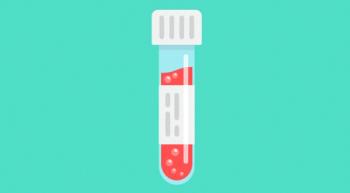
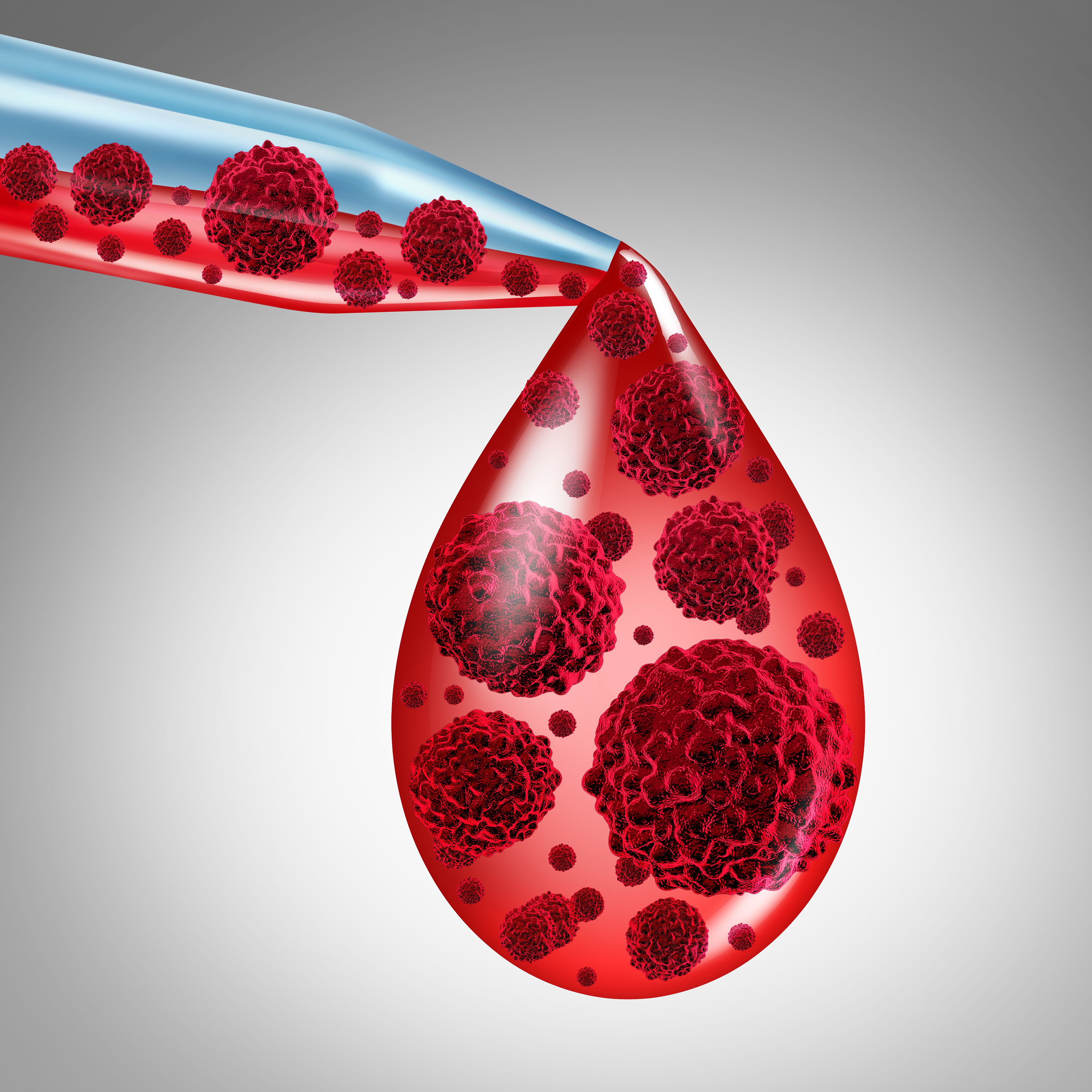
Compared with tissue biopsies, liquid biopsies performed with blood samples may inform cancer teams of a patient’s increased risk for blood cancers, although all patients may not have this risk.

The FDA granted a priority review to the oral drug quizartinib for the treatment of a form of acute myeloid leukemia, one of the more common types of leukemia.

After breaking 20 years of sobriety, I received even worse news: my leukemia had relapsed, and I’d need a bone marrow transplant. Thankfully, my family and treatment team lifted me up during this difficult time.

I’ve had leukemia for 13 years, and don’t owe anyone an explanation why my hair is short, or my face looks puffy.
Investigators of an expanded clinical trial have administered an investigational CAR-T cell therapy to the first patient with blood cancer.

In this poem, I chronicle "Suzy Q's" experience with acute lymphoblastic leukemia.
Patients with blood cancer who have higher levels of neurofilament light chains — which indicate brain injury — were found to be more likely to develop neurotoxicity after CAR-T cell therapy, according to recent research.

From actress Jane Fonda giving an update on her cancer, to a patient with leukemia proving he was at the Sept. 11 attacks in New York City with an old newspaper clipping, here’s what’s happening in the cancer space this week.
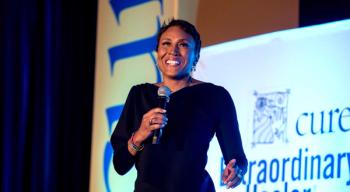
From “Good Morning America” host Robin Roberts stepping away from the show after her partner finished breast cancer radiation to a former Tampa Bay Buccaneer dying of leukemia, here is what’s happening in the cancer space this week.

Patients with blastic plasmacytoid dendritic cell neoplasms can enroll in the ongoing CADENZA trial, which is investigating the safety and efficacy of the novel agent pivekimab sunirine in patients with the rare blood cancer.
The FDA’s decision allows patients with relapsed/refractory acute myeloid leukemia or high-risk myelodysplastic syndrome — types of blood cancer — to continue enrolling on the TakeAim Leukemia trial.
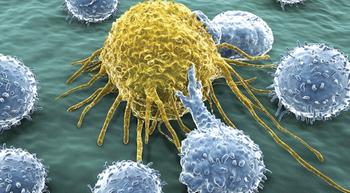
The Food and Drug Administration put a full clinical hold on a study of the novel drug FHD-286 in patients with acute myelogenous leukemia and myelodysplastic syndrome after study data showed an increase in a potentially fatal side effect.
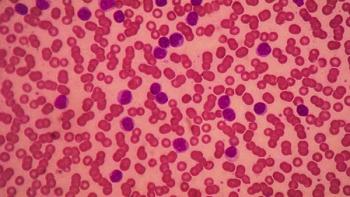
Adding the investigational cancer drug lanraplenib to Xospata, if found to be effective, may broaden treatment options for patients with relapsed/refractory FLT3-mutated acute myeloid leukemia.

From “EastEnders” star Samantha Womack announcing her breast cancer diagnosis in a tribute to Olivia Newton-John to a famous fashion designer’s death from liver cancer, here’s what’s happening in the oncology space this week.
“Love Story,” the story about a young woman who falls in love and then dies of cancer, affects me differently now than it did when I was a teenager and no experience with either love or cancer.

From the late YouTuber “Technoblade” being honored by the Sarcoma Foundation of America to a country singer making a leukemia survivor’s dreams come true, here’s what’s happening in the cancer space this week.

The tablet version of Calquence, which was approved by the FDA for the treatment of chronic lymphocytic leukemia, small lymphocytic leukemia and relapsed/refractory mantle cell lymphoma, may be taken alongside other drugs to reduce gastric-related side effects.
Enrollment has begun on a phase 3 clinical trial assessing the safety and efficacy of an investigational cell therapy in patients with acute myeloid leukemia, acute lymphocytic leukemia and myelodysplastic syndromes.

From actors Tony Dow and David Warner dying from cancer to a cancer survivor rappelling a building in the name of awareness and fundraising, here’s what’s happening in the oncology space this week.
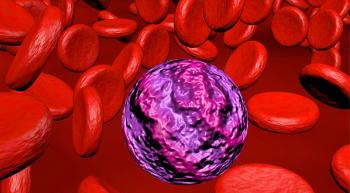
The findings support future studies of assessing the safety and efficacy of the novel drug-chemotherapy combination as a maintenance strategy following stem cell transplantation across a range of blood cancers, according to the study authors.
A first-in-human trial is investigating the safety and efficacy of the novel CAR-T cell therapy in patients relapsed or refractory T-cell acute lymphoblastic leukemia/lymphoblastic lymphoma.
Advertisement
Advertisement
Trending on CURE
1
FDA Approves Talzenna Plus Xtandi in Hormone-Sensitive Prostate Cancer
2
What Liquid Biopsy and ESR1 Mutations Mean in Breast Cancer
3
Working During Cancer Treatment: Your FMLA and ADA Rights
4
FDA Grants Traditional Approval to Keytruda for TMB-H Solid Tumors
5