





Leukemia
Latest News

Advertisement
Latest Videos








Advertisement
More News

More frequent immunoglobulin G testing was associated with a decreased risk of severe infections in patients with CLL and non-Hodgkin lymphoma.

Being able to live independently and enjoy life’s beauty summon feelings of gratitude and euphoria more often now.

My oncologist said that having a supportive community during cancer is just as important as treatment and I could not agree more — it makes me thankful.

Patients with chronic lymphocytic leukemia had better survival when treated with Calquence during earlier lines of therapy.
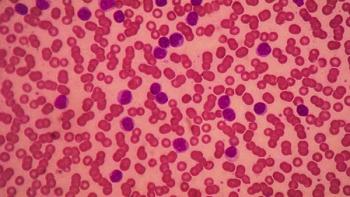
Patients with chronic lymphocytic leukemia or small lymphocytic lymphoma tended to be more likely to stay on treatment and experience fewer heart toxicities with Calquence or Brukinsa.

To ensure best outcomes, patients with chronic myeloid leukemia should maintain frequent communication with their care teams — even between appointments.

Most — though not all — side effects from chronic myeloid leukemia treatment improve over time, an expert said.

The FDA approved Blincyto for patients aged one month and older with CD19-positive, Philadelphia chromosome-negative B-cell precursor acute lymphoblastic leukemia.

A chronic myeloid leukemia diagnosis can negatively affect patients and their loved ones’ mental health, but there are resources that can help.

Patients with chronic myeloid leukemia should be upfront with their care team about how treatment side effects are affecting their daily functioning.
Initial discussions about treatment, side effects and study results can help patients navigate through all aspects of a chronic myeloid leukemia diagnosis.

An advocate discusses vital patient-provider conversations to promote the best care for individuals with chronic myeloid leukemia.

Through it all, poetry was the lens through which I could examine and deal with these very emotional and painful times in my life.

Scemblix outperformed standard tyrosine kinase inhibitor treatment in patients with Philadelphia chromosome-positive chronic myeloid leukemia.

Patients aged 80 and older are often excluded from receiving the standard regimen for acute myeloid leukemia. However, research showed that some patients can tolerate the therapy.

Here’s a look at therapies the FDA approved in the blood cancer space over the last few months.
When I was diagnosed and treated for a recurrence of AML, I was given an abundance of statistical information through required medical expert orations and accredited literature.

From “The Young and the Restless” actress dying of cancer to “Star Trek” actress 20 years pancreatic cancer-free, here’s what’s happening in the cancer space this week.

The investigational drug ziftomenib is currently being evaluated for patients with relapsed/refractory NPM1-mutant acute myeloid leukemia.
What it’s like having a “second birthday” after receiving a bone marrow transplant for my AML.
From Patrick Swayze’s widow recalling his pancreatic cancer diagnosis to Demi Moore speaking about her aunt’s courage during cancer, here’s what’s going on in the oncology space this week.
From WWE champion Roman Reigns sharing about his leukemia status to Arizona rep. Raúl Grijalva announcing diagnosis, here’s what’s going on in the oncology space this week.

From Fortnight player, “Ninja” announcing his melanoma diagnosis to an LSU quarterback sporting the name of his teammate with brain cancer, here’s what’s going on in the oncology space this week.

Besponsa provides another — and potentially more effective — option outside of traditional chemotherapy for pediatric patients with relapsed or refractory B-ALL.
Patients taking Tibsovo to treat MDS or AML may want to discuss the appropriate medications to treat and prevent infections, an expert said.
Advertisement
Advertisement
Trending on CURE
1
FDA Approves Talzenna Plus Xtandi in Hormone-Sensitive Prostate Cancer
2
What Liquid Biopsy and ESR1 Mutations Mean in Breast Cancer
3
Working During Cancer Treatment: Your FMLA and ADA Rights
4
FDA Grants Traditional Approval to Keytruda for TMB-H Solid Tumors
5