


Results from an ongoing phase 2 study show the viability for the use of Brukinsa after patients with previously treated B-cell malignancies are deemed intolerant to the next-generation Bruton tyrosine kinase inhibitor Calquence.
Results from an ongoing phase 2 study show the viability for the use of Brukinsa after patients with previously treated B-cell malignancies are deemed intolerant to the next-generation Bruton tyrosine kinase inhibitor Calquence.

Researchers reported long-lasting responses and no new safety concerns in patients with relapsed/refractory follicular lymphoma during the 2023 ASH Annual Meeting and Exposition.

The three-year final analysis of efficacy and safety of the REACH3 trial showed that patients with steroid-refractory or dependent chronic graft-versus-host disease benefited more with Jakafi compared with the best available treatment.

Autologous hematopoietic cell transplantation, compared with CAR-T cell therapy, resulted in lower rates of relapse and improved progression-free survival in patients with relapsed large B-cell lymphoma while they were in complete response.

Data from the ZUMA-7 trial shows that age alone should not be a barrier of consideration of administering CAR-T cell therapy to patients with large B-cell lymphoma, says Dr. Marie José Kersten.
Tecartus is safe and effective in real-world patients with relapsed/refractory mantle cell lymphoma, regardless of the presence of high-risk features.

After all these blogs, there’s still one side effect I haven’t talked about.
From FDA concerns to a potential new drug, CAR-T cell therapies were dominating oncology headlines last week.

The Food and Drug Administration granted a Breakthrough Therapy Designation to Epkinly to treat patients with relapsed or refractory follicular lymphoma.

If you have scanxiety, you aren't alone.
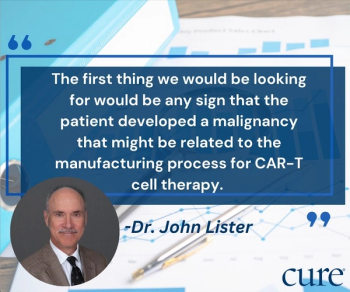
An expert discusses the FDA’s investigation into the possible association between CAR-T cell therapy and secondary T-cell malignancies.

As we all know, added stress for patients with cancer is never a good thing.
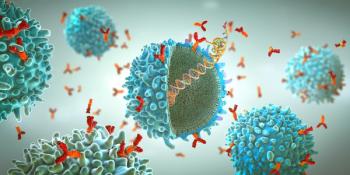
The FDA announced rare instances of secondary diseases or cancers from CAR-T cell therapy, though this is not the first time that oncology treatments have been associated with secondary diseases.

In honor of National Family Caregiver’s Month, CURE® highlights some of the most important news in 2023.
A treatment combination that includes Velcade and Rituxan helps improve responses and the safety profile in marginal zone lymphoma, according to a phase 2 trial.
Survivors of blood and bone marrow transplants attend fewer annual check-ups, but researchers urge annual visits for life to prevent complications.
The FDA will review SLS009 for the treatment of peripheral T-cell lymphoma, a rare and aggressive type of blood cancer.

There are limits and adaptations that are needed during childhood, adulthood and retirement, and I can say the same for every step of my cancer experience.

Two decades ago, I received a stage 4 lymphoma diagnosis, and since then, I’ve learned that life goes on — even with cancer.
The Food and Drug Administration will speed up the review of odronextamab for patients with relasped or refractory follicular lymphoma or diffuse large B-cell lymphoma.
We’ve all heard the jokes about hospital food.
A phase 2 trial found that some patients with classical Hodgkin lymphoma saw a nearly 74% probability of second remission due to retreatment with Keytruda.

While much progress has been made in treating blood cancers like lymphoma, I know that there is still far more work to be done.
The very first blog I ever wrote for CURE asked the question, “Why me?”
Recent advancements in treatment options for patients with diffuse large B-cell lymphoma have been practice-changing.