

Kevin explains, in a rather tedious manner, his procedure for washing his hands and other immune-deficient oddities.
Kevin explains, in a rather tedious manner, his procedure for washing his hands and other immune-deficient oddities.

CURE spoke with Bruce D. Cheson to gain a deeper understanding of adding the targeted therapy Gazyva to the chemotherapy Treanda for patients with Rituxan-refractory indolent non-Hodgkin lymphoma.
Where our intrepid transplant recipient discovers that being a vampire isn't all it's cracked up to be.

When people think of cancer too often fear gets in the way of allowing us to look past the cancer itself and to the people who have been diagnosed with the disease.
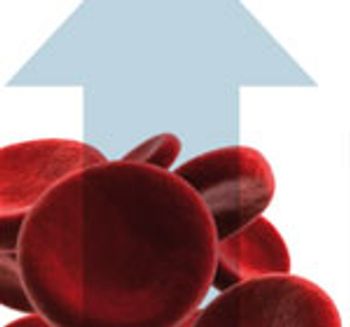
Patients with relapsed indolent non-Hodgkin lymphoma who took the anti-CD20 agent Gazyva with Treanda, rather than Treanda alone, doubled their time until further disease progression during the phase 3 GADOLIN study.

A navigator-designed, proactive, weekly, telephone support call to help patients with blood cancers manage their symptoms between appointments was able to significantly reduce unplanned hospitalizations at a Colorado cancer center.
A guide for allogeneic transplant patients after the hospital.
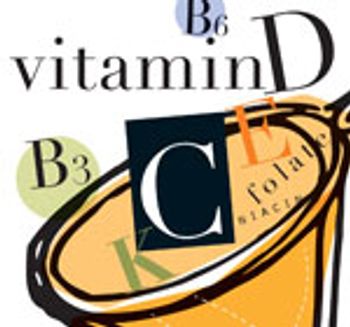
A new study has found that patients with lower vitamin D levels prior to treatment for follicular lymphoma are more likely to die or relapse from the disease earlier than patients with adequate vitamin D levels in their blood.
In the ring, it's not about whether you win or lose; it's about never staying down and never giving up.

When my doctor told me that I had stage 4, grade 3a follicular lymphoma, I thought that it was impossible: I had firmly put cancer in my rear view mirror seven years prior. Yet here I was, hearing for the word "cancer" for the second time by the age of 26.
Adam Asch, senior deputy director of Stephenson Cancer Center, gives advice to patients after they have been diagnosed with lymphoma.
The weeks and days leading up to transplant, the anticipation and reality
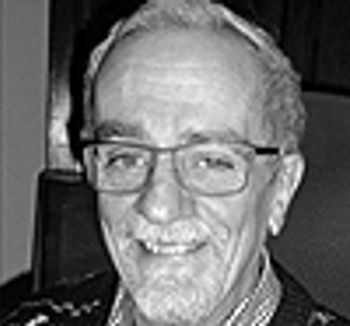
Carl Harrington, president of the International Waldenstrom's Macroglobulinemia Foundation (IWMF), explains the importance of Imbruvica's approval for the rare disease.

Ibrutinib becomes the first drug specifically approved for Waldenstrom's macroglobulinemia (WM), two months ahead of expectations.

Researchers gathered at the annual meeting of the American Society of Hematology to learn about survivorship issues and the late effects their patients encounter years, even decades, after therapy.
Lee Greenberger, of the Leukemia & Lymphoma Society, explains how immunotherapy research has progressed in hematological cancers and the potential for these burgeoning therapies.

An early study in patients with Hodgkin lymphoma that had progressed on several lines of treatment found that the immunotherapy Keytruda (pembrolizumab) elicited a remarkable response.

Despite the lack of data to justify them, periodic surveillance PET scans during remission are performed frequently.
The CAR T-cell therapy JCAR015 received breakthrough therapy designation as a treatment for patients with relapsed or refractory B-cell ALL.
For patients with B-cell lymphomas, new treatments are providing more options.
Xalkori improves survival in patients with ALK-positive lymphoma.

Goals and milestone recognitions may help children with cancer get through treatment a little easier.
Long-term and late effects from toxic regimens from childhood cancer treatments include heart damage, lung problems and infertility.
Pediatric cancer treatment has come a long way, but health problems persist in survivorship.
A recent report notes that certain health issues observed in young adult survivors are typically seen in much older individuals.