



Skin Cancer
Latest News

Advertisement
Latest Videos









Advertisement
More News
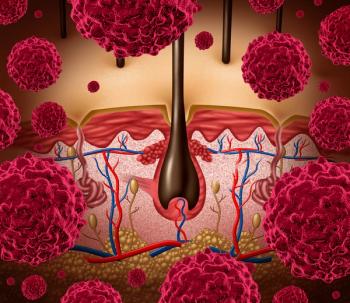
The goal of the phase 2 trial is to study the safety and efficacy of ASP-1929, a photoimmunotherapy with fluorescence imaging, in patients with head and neck or skin cancer.

I learned that a more prominent obstacle that we need to navigate is getting past the assumption that having a darker skin tone protects people from skin cancer.

Side effects from cancer treatment with immunotherapy, which may include vitiligo and certain rashes, may point to who will respond better to the treatment, although more research is needed to determine how much weight to put on these data.

Kimmtrak is the first-ever drug to be granted FDA approval for this patient population of HLA-A*02:01-positive metastatic or unresectable uveal melanoma.

Patients with metastatic cutaneous squamous cell carcinoma achieved promising response rates after treatment with cosibelimab. If approved, drug developers are hoping to offer cosibelimab as a more affordable immunotherapy option for this patient population.

From the deaths of singer Ronnie Spector and famed cancer researcher Beatrice Mintz to a patient who became his own biggest advocate after a stranger noticed a suspicious spot on his back, here’s what’s happening in the cancer landscape this week.

Patients with melanoma who consumed a high-fiber diet may have a better response to immunotherapy, although the benefit was not as great if the fiber was obtained via probiotic supplements.

The Food and Drug Administration is expected to decide on whether to approve certain cancer regimens within the first few months of the year. Here’s what patients with cancer should know.
Relatlimab plus Opdivo improved progression-free survival in patients with untreated, advanced melanoma, and tended to have fewer side effects than other regimens used in this patient population.

Certain allergy medications like Zyrtec and Claritin may be the key for more patients to tolerate immunotherapy for several cancer types.
The recent FDA approval of Keytruda, an immunotherapy monoclonal antibody drug, for children with melanoma is an exciting development, according to an expert. But there is potential for certain side effects that children and their family should consider before undergoing treatment.

As cancer incidence increases in young adults, understanding the genomic profiles of tumors in young adults may guide treatment options such as immunotherapy.

The FDA’s recent greenlight of a new Keytruda indication gives a large group of patients with melanoma access to a treatment option that they didn’t previously have, says an expert from the UPMC Hillman Cancer Center.
While it may be tempting to slack off on sun protection when the rays aren’t beating down, it’s imperative to stay vigilant through the darker winter months.
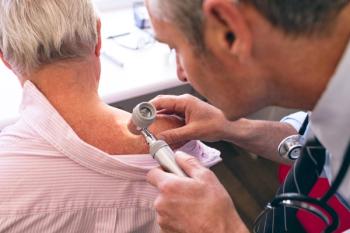
Here’s a look back at CURE®’s top-performing melanoma content from the year 2021.

The FDA approved adjuvant Keytruda for patients ages 12 and older with stage 2b, 2c or 3 melanoma that has been completely resected.

Upfront immunotherapy was far superior to upfront BRAF/MEK inhibition in patients with metastatic BRAFV600-mutant melanoma, causing the phase 3 DREAMseq early to stop early.
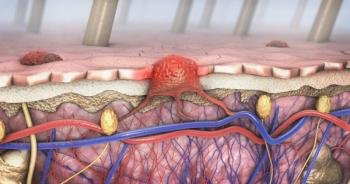
Part B of the DIONE-01 study will look at whether IOA-244 increases anti-tumor responses in expansion groups of patients.

The combination of Opdivo and Yervoy may provide a survival benefit for asymptomatic patients with melanoma who have brain metastases, although more efforts are needed to include this patient population in trials.
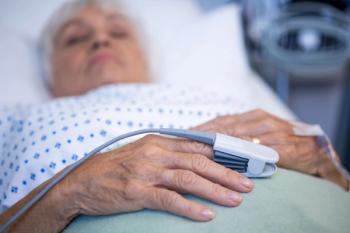
Patients who experience side effects due to immune checkpoint inhibitors are 80% more likely to go to the emergency room and have 30% higher monthly medical costs, compared to patients who did not have side effects.

The first patient was enrolled and dosed in InflaRx’s phase 2 trial of vilobelimab for the treatment of cutaneous squamous cell carcinoma.
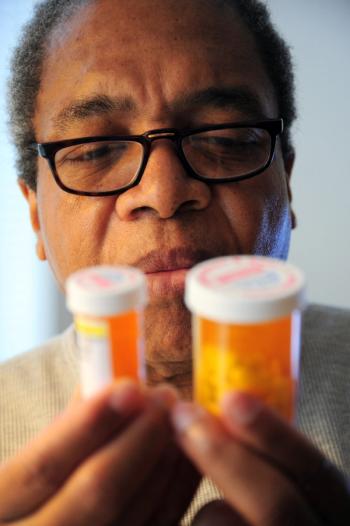
Exposure to certain high blood pressure drugs, specifically thiazide diuretics, may increase a person’s risk of developing skin cancer.
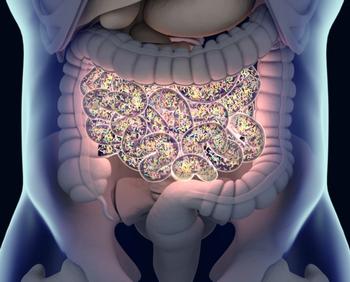
The overgrowth of fungi could cause the immune system to stop fighting cancer, according to a study.

Skin cancer rates have been increasing worldwide, and climate change factors – like depleting ozone layers – may be a factor.

From Dick Vitale’s early melanoma cancer detection to the authorization of COVID-19 vaccine booster shots for patients with cancer, here’s what’s happening in the cancer landscape this week.
Advertisement
Advertisement
Trending on CURE
1
Could a Genomic Test Spare You Extra Years of Hormone Therapy?
2
I’m Jealous of the World — and Grateful I Got to Be Part of It
3
My Sister and I Share a BRCA2 Mutation. We Didn’t Make the Same Choices
4
Three August Blood Cancer Approvals and What They Mean for Care
5