
The CARE Clinic at University of Colorado Hospital was developed to close treatment gaps caused by disparities in cancer care, as explained by Kasey Bowden.
The CARE Clinic at University of Colorado Hospital was developed to close treatment gaps caused by disparities in cancer care, as explained by Kasey Bowden.
There is an urgent need for more inclusive and community-focused cancer clinical trials, according to Kimberly (Cary) Demirhan.

Living with Lynch syndrome, nature’s quiet resilience teaches me to accept change, find calm, and stay rooted through life’s unexpected twists and storms.
Disparities in cancer care can often lead to delays, disruptions, and barriers to timely treatment, leading to an unmet need in the community treatment space.

Billions of dollars of cancer meds go to waste each year while many patients struggle to afford treatment; donating surplus medicine helps bridge this gap.
Registered nurse Patricia Jakel emphasizes the importance of educating patients on evolving breast cancer research and the need for routine screenings.
As a cancer survivor, I face added stress with an upcoming black belt test and "scanxiety" before my annual CT scan and oncology appointment.
Dr. John Oertle discussed the significance of World Cancer Day, raising awareness about cancer care advancements and improving patient outcomes.

Breast cancer affected my looks and self-esteem, but I found small things could make a big difference in feeling pretty again.
Dr. Anna Arthur discusses the NOURISH trial, which aims to address food insecurity and malnutrition in patients with blood cancers undergoing treatment.
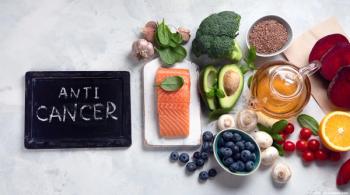
Dr. Anna Arthur discusses how the NOURISH trial is addressing food insecurity and malnutrition in patients undergoing treatment for their blood cancers.
Despite the initial shock and challenges, I found strength and support within the community of single parents.
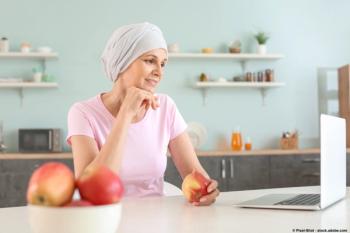
I've learned that cooking for friends during their cancer journey is a way to express love and support, even if it doesn't cure them.
CURE® spoke with experts about what life is like for patients with cancer when their disease is in remission.

My New Year's resolutions have evolved from seeking external goals to embracing personal growth and appreciating each day.
An expert spoke with CURE® about the emotional bonds that can develop while treating patients with cancer.
CURE spoke with an expert about how psychedelics such as psilocybin may impact patients’ mental health.
Findings show that 81% of posts related to cancer on the social media platform TikTok touted fake cures.

As a cancer treatment waiting room volunteer, I’ve discovered a unique community of shared experiences and unexpected connections.

An expert explains the importance of getting a second opinion during a cancer journey.
CURE spoke with an expert about the potential positive effects of psilocybin-assisted psychotherapy.
Despite being declared cancer-free after initial treatment, I grapple with survivor's guilt, questioning why my lymphoma responded to therapy while others did not.

Throughout the year, CURE® contributors shared personal stories and reflections highlighting the multifaceted nature of cancer care.

From the benefits of early adoption to the effectiveness of telehealth, here is what we reported about palliative care throughout the year.
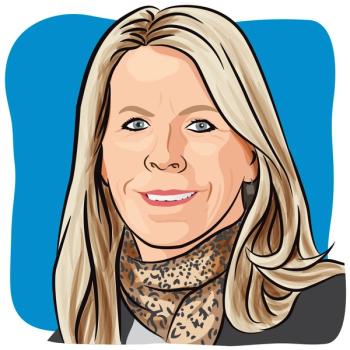
Nearly 12 years after being diagnosed with ovarian cancer, Julie Brokaw believes life is a miracle.

A survivor shares tips on ways to practice gratitude the holiday season.

An expert advises a few things to keep in mind when patients with cancer are navigating these platforms.
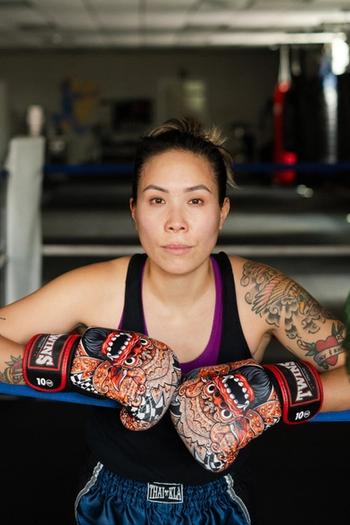
During the cancer treatment process, it's important for adolescents and young adults to balance independence while seeking support from loved ones.

Through journaling and connecting with my faith, I was able to embrace everything I was thinking and feeling during colon cancer.
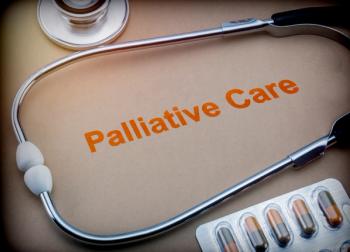
Although early palliative care may not increase quality of life short term, it can help with coping skills in patients with advanced cancers.