

I recently experienced scanxiety after a skin check-up showed something suspicious.
I recently experienced scanxiety after a skin check-up showed something suspicious.

After being diagnosed with mesothelioma and undergoing a long surgery, I wanted to do it all, but I just couldn’t. Family and friends stepped in to help.

Some factors may increase the risk for anxiety and depression in older patients with metastatic cancer including distress related to physical symptoms, relationships, healthy lifestyle and communication with their health care team.

After hearing others' cancer stories, I found myself feeling "less than" because I didn't undergo radiation and chemotherapy.

After being diagnosed with aggressive bone cancer, I had to accept that much of my life was going to change.

While I wouldn’t say that my cancer-related hospital stays were fun, I did my best to maintain a positive attitude and make the best of them.

Sometimes, hundreds of pages of cancer information still just doesn’t connect with the person who needs it.

I’m happy to be alive and thankful for all that I have, but cancer and the COVID-19 pandemic has taken so much from me, physically, emotionally and financially.

Patients with cancer may decide to share their diagnosis with their employer but approaching it in a way that is most comfortable to the patient may make it a more effective conversation.

There is no guidebook to life with cancer, but here a few important lessons I learned along the way.

People who have never experienced cancer may think that life continues as normal after treatment is done, but that’s far from reality.
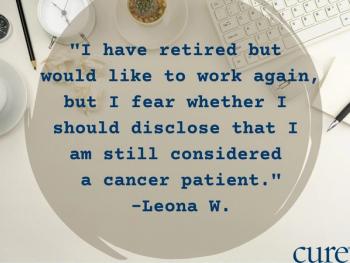
Cancer survivors shared why they disclosed — or didn’t disclose — their cancer diagnosis to their employers.

After being diagnosed with cancer and taking a look at all the stuff I accumulated, I began to think about my priorities in life.

My cancer diagnosis — and the emotional effects that came with it — made me who I am today.
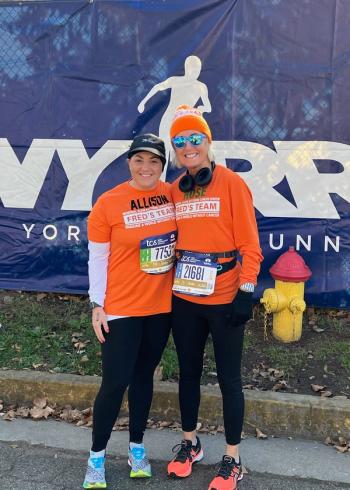
A marathon runner who was diagnosed with metastatic melanoma learned that what she enjoyed doing before cancer could help her regain her energy and identity during and after treatment.

After going through cancer, I better recognize my triggers for heightened anxiety.

Here are a few ways I stay grounded throughout cancer.

Art therapy allows patients to figure out how to use art to access emotions and experiences and to externalize them, one expert said.
I've learned that with cancer, there’s a difference between cathartic venting (a natural stage of grief) and falling into a victim mindset.

My cancer support group was as important to my cure and healing as my oncologist and surgeon.

Cancer-related decisions put strain on relationships between myself and family members.

When I was in the throes of cancer, I didn't know how to answer well-meaning people who asked, "How you doin'?"
Cancer took so many experiences away from me, yet I sometimes feel guilty that I survived and others did not.

I thought my sensitivity to breast cancer scenarios on television shows had gotten stronger, but it hasn’t.
After experiencing intense scanxiety after my single mastectomy, I decided to go back and have a prophylactic mastectomy.

After I was diagnosed with colorectal cancer and told I needed a colectomy, I knew I’d face physical and financial difficulties after the surgery, but I did not anticipate the emotional toll of my diagnosis.

A book I read made me realize the importance of positive thinking — even when going through cancer.
While undergoing cancer treatments, I wasn’t prepared for what it would feel like while interacting with the world outside of the hospital, but I found a few things that helped.

After receiving supportive care during her college cancer journey, this survivor now works to guide other patients through their treatments.

When my wife was going through breast cancer treatment, I started drawing with my non-dominant hand as a means of distraction and self-care.