




Conference Coverage
Latest Content




Advertisement
Shorts
2:59
Ask Your Doctor About This Breast Cancer Test
9 days ago
by
Spencer Feldman
0:33
Why You Must Advocate for Your Own Health
14 days ago
by
Kaitlyn M. Le
0:54
Psychiatrist Answers Questions About Family and Relationships During Cancer
14 days ago
by
Dr. Yesne Alici
1:11
Psycho-Oncologist Answers 5 Common Questions About the Emotional Impact of Cancer
23 days ago
by
Dr. Ramy Sedhom
1:40
How a Second Opinion Saved Her Life
24 days ago
by
Spencer Feldman
1:00
How Hair Loss During Lymphoma Treatment Can Reshape a Patient's Sense of Self
a month ago
by
Kaitlyn M. Le
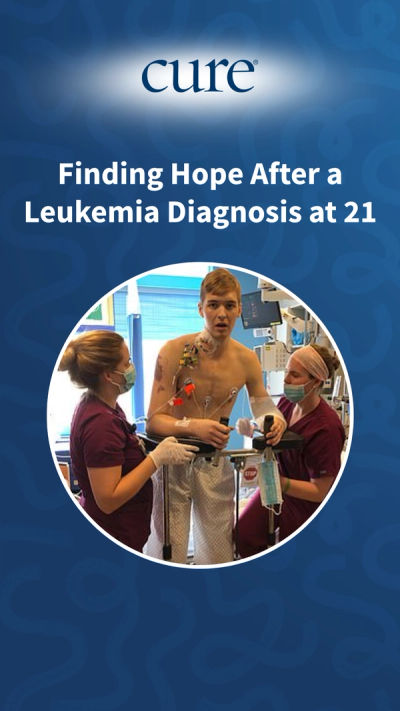
1:30
Finding Hope After a Leukemia Diagnosis at 21
a month ago
by
Kaitlyn M. Le
1:00
The Future of CAR T Cell Therapy for Leukemia
a month ago
by
Kaitlyn M. Le
0:42
The Era of More Chemotherapy is Over
a month ago
by
Dr. Guenther Koehne
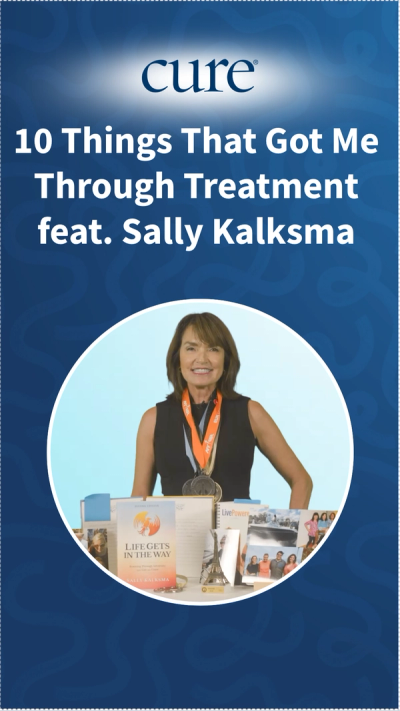
0:44
10 Things That Got Me Through Treatment feat. Sally Kalksma
2 months ago
by
Sally Kalksma










Videos

All News
Advertisement
Advertisement
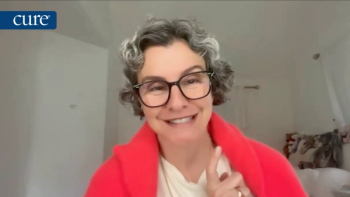
Leanne Citrone shares how a BRCA mutation, an elective mastectomy and a stage 2C ovarian cancer diagnosis shaped her outlook, anxiety and advice to others.
A colon cancer survivor who cared for her mother with lung cancer shares how she learned to speak up, plus tips for advocating for yourself or a loved one.

Medicare's Part D out-of-pocket cap rises to $2,400 in 2027. Here is what that means for people taking costly oral cancer drugs, how the monthly payment plan works with it and what to check before open enrollment ends Dec. 7.
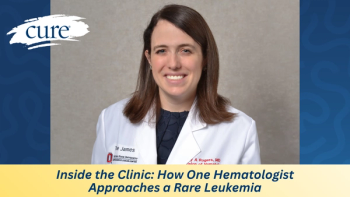
Ohio State hematologist Dr. Kerry Rogers says chemotherapy and newer targeted drugs both work well, and the right choice depends on the patient.
Given an 18-month prognosis for peritoneal mesothelioma in 2007, a mother shares the joy of tapping her son out at his Air Force basic training graduation.

A once-daily oral pill gives patients with symptomatic TGCT another option when surgery could cause more harm than good.

For World NET Cancer Day, CURE answers seven common questions about neuroendocrine tumors, from carcinoid syndrome and Ki-67 to dotatate PET scans and treatment options.
Up to 40% of patients with classic hairy cell leukemia relapse within 10 to 15 years. An NIH researcher explains how adding Rituxan up front may help.
Gita Kwatra, PharmD, MBA, co-founder and CEO of the Glioblastoma Foundation, explains what happens to tumor tissue after brain surgery and how patients can ask their care team for genomic testing.
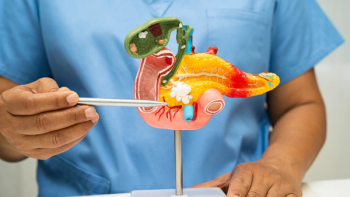
Most people with pancreatic cancer lose weight they didn't mean to. Here is how weight loss from poor digestion differs from cachexia, and what enzymes, eating strategies and appetite medicines can do.
Advertisement

Dr. Rebecca Dent explains how Datroway kept brain metastases in check longer than chemotherapy in triple-negative breast cancer, and what patients should know.

In a study of 8,259 rural Medicare patients with advanced non-small cell lung cancer diagnosed from 2014 to 2019, only 35.9% had tumor gene testing, and those who were tested were more likely to get targeted therapy.

Among U.S. adults with a history of cancer, 45.8% reported drinking alcohol in the past 30 days in both 2016 and 2024, while drinking declined among adults without cancer, according to a study in Cancer Causes & Control of nearly 4 million adults.

Dr. Matteo Lambertini explains how Lynkuet reduced hot flashes in people on endocrine therapy for breast cancer, no matter when their treatment began.

Gita Kwatra, PharmD, MBA, co-founder and CEO of the Glioblastoma Foundation, discusses why every patient with glioblastoma should have their tumor profiled, and what patients can ask their care team.
Advertisement
Advertisement