

CURE spoke with Kelly Grosklags of Conversations With Kelly at the Miami Breast Cancer Conference.
CURE spoke with Kelly Grosklags of Conversations With Kelly at the Miami Breast Cancer Conference.

Dr. Kevin Kalinsky covers the gamut of the current treatment landscape for patients with HER2-negative breast cancer, highlighting recent advancements.
Dr. Kandace P. McGuire discusses how targeted axillary staging differs from traditional methods of staging in patients undergoing breast cancer treatment.
Kelly Grosklags discusses how oncologists can guide patients in shared decision-making while managing expectations following a breast cancer diagnosis.
Dr. Sara M. Tolaney discusses breast practices associated with CDK4/6 inhibitors for the treatment of breast cancer.
A new robot-assisted nipple-conserving mastectomy is “not very different” in terms of patient experiences versus the traditional procedure.

During the CURE Educated Patient® Breast Cancer Summit, an expert discussed her professional and personal experience with side effect management in metastatic breast cancer.

ctDNA and CTC can lend information about early-stage breast cancer, but the best way to use this data is still being determined, an expert said at the CURE® Educated Patient® Breast Cancer Summit.

Recent recommendations — which were discussed at the CURE® Educated Patient® Breast Cancer Summit — addressed changes in both genetic and genomic testing in breast cancer.

A patient advocate and oncology nurse discuss the importance of physical and mental health during the breast cancer journey during a panel session at the CURE® Educated Patient® Breast Cancer Summit.

During the Miami Breast Cancer Conference and Educated Patient® Breast Cancer Summit, one expert stressed the importance of genetic testing for BRCA mutations.

A patient with breast cancer shares skills she’s learned from the Look Good Feel Better program at the Miami Breast Cancer Conference and Educated Patient® Breast Cancer Summit.

While CDK4/6 inhibitors are “liberating” for this breast cancer subset, questions remain about what to do in later lines of therapy, according to a presentation at the CURE® Educated Patient Breast Cancer Summit.
An expert explained that patients with breast cancer who undergo genetic testing may help their family members, regardless of whether patients have children.

At the Miami Breast Cancer Conference and Educated Patient Breast Cancer Summit, an expert explained HER2-positive breast cancer and gave an overview of effective treatment options in this space.
An expert gives an overview of common endocrine-related side effects that premenopausal women with breast cancer may experience — and what can be done to address them.

When a green dye was used to detect early signs of breast cancer-related lymphedema, patients tended to have better outcomes with the condition, recent research showed.
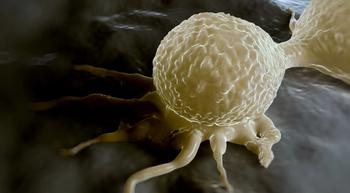
HER3-DXd proved to be safe and efficacious in treating patients with HER3-expressing metastatic breast cancer, recent study results showed.
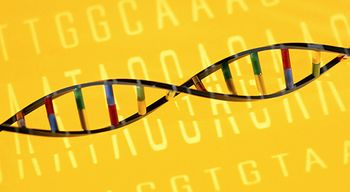
The current testing rate for BRCA 1/2 mutations is currently 68% in HER2-negative early breast cancer, but eligible patients could receive better care if tested.

From the use of anti-depressants to cryotherapy, researchers continue to explore potential ways to mitigate the side effects that are associated with breast cancer therapy.

“Often you think we’re the victim, but there’s a lot that you can do to be your own advocate and participate in your healing,” says stage four metastatic breast cancer thriver Nalie Agustin.

Genetic testing offers a care team a wealth of knowledge to help them craft treatments, but it also can help match patients to clinical trials for potentially better outcomes.

Patients faced with cancer are also faced with tough uphill financial battles, but there are assistance programs that can help.

Having the right understanding and information of a patient’s genetics can not only help treat cancer but also help prevent it.

Understanding a diagnosis is not just something for a patient's care team, the patient needs to understand their diagnosis as well.

Understanding biomarkers specific to breast cancer can guide treatment plans and help families with a history of the disease take preventive measures.

As CDK 4/6 inhibitors become a bigger part of the treatment of breast cancer, CURE® sat down with clinical nurse specialist Patricia Jakel to discuss the essentials about the drug.

Don’t be worried to get a second opinion — it could save your life.

Being a patient with cancer gives you a unique perspective that can become beneficial when serving as an advocate for others.
If patients take a deep breath and concentrate on the journey ahead after receiving a diagnosis, they can find a path forward, says one metastatic breast cancer thriver.