
It is important to recognize Kidney Cancer Awareness Month as a time to get involved, as more than 600,000 people in the U.S. live with kidney cancer.
It is important to recognize Kidney Cancer Awareness Month as a time to get involved, as more than 600,000 people in the U.S. live with kidney cancer.
Shorter radiation courses may improve breast reconstruction outcomes without increasing complications, according to Dr. Reshma Jagsi.
Biomarkers can shape a breast cancer treatment plan, Andy Guinigundo explained in an interview with CURE.

Colorectal cancer is on the rise among younger adults, although potential explanations for the cause of this trend are likely years away.
Dr. Valerie Lee discussed emerging targeted therapies and personalized medicine approaches that are showing promise for those with gastrointestinal cancer.
Machine learning model improves transplant risk assessment for patients with myelofibrosis, helping clinicians make informed decisions, as per an expert.

Although late-stage kidney cancer generated poor survival rates for over two decades, significant progress is being made in the treatment of the disease.
April is Head and Neck Cancer Awareness Month, and it is important to be aware of early signs and symptoms of the disease, as well as when to seek care.
There are a number of reasons why patients with cancer are encouraged to enroll in clinical trials, Dr. Michael J. Pishvaian explained.
Use of NeuroSAFE to guide nerve sparing during robot-assisted radical prostatectomy improved patient-reported erectile function.
Adolescent and Young Adult Cancer Awareness Week sheds light on the financial hardships young cancer survivors face, including debt and limited assistance.
CURE spoke with Dr. William C. Huang about what kind of team may be required to treat a patient with metastatic kidney cancer.
Dr. Regina Hampton discusses key factors contributing to this disparity, and how healthcare systems can address these challenges.
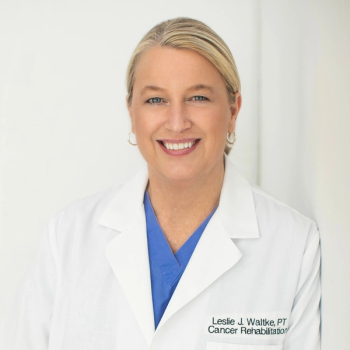
CURE spoke with Leslie Waltke about the importance of physical therapy during a cancer journey.
Treatment with Rina-S showed antitumor activity in heavily pretreated patients with advanced ovarian cancer, according to the phase 2 RAINFOL-01 study.

Sid Sadler discusses kidney cancer awareness, patient advocacy and the need for specialized care to improve access to treatments and clinical trials.
Dr. Emre Yekedüz discusses his top 3 key takeaways from attending the 2025 ASCO Genitourinary (GU) Cancers Symposium.
Registered nurse Patricia Jakel emphasizes the importance of educating patients on evolving breast cancer research and the need for routine screenings.
Dr. Debu Tripathy highlights the importance of staying informed on breast cancer advancements and how this empowers patients to make informed decisions.
In HER2-positive early breast cancer, Kadcyla shows sustained improvement in both invasive disease-free survival and overall survival versus Herceptin.

Antibody-drug conjugates have had a tremendous impact on breast cancer care and treatment, according to Dr. Charles E. Geyer.
Dr. Emre Yekedüz highlighted strategies that may improve patients' quality of life and mitigate treatment-related side effects in renal cell carcinoma.
Dr. Debu Tripathy discusses recent research on the use of circulating tumor DNA in metastatic breast cancer care.
Dr. Yufei Liu discusses how updates to precision radiation therapy are reshaping colorectal cancer care.
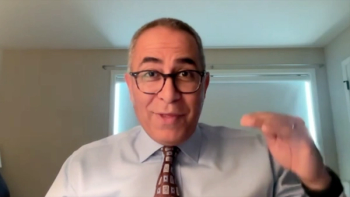
Dr. Joseph Mikhael discusses the overlooked symptoms of multiple myeloma in honor of Myeloma Awareness Month.

Dr. Deepa Jagadeesh discusses Ordspono's potential FDA approval for relapsed/refractory follicular lymphoma, highlighting its manageable toxicity and low CRS rate.
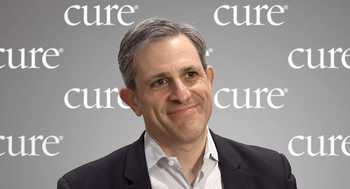
Dr. Kevin Kalinsky discusses the role of targeted therapy and clinical decision-making in managing estrogen-driven, HER2-negative breast cancer.

Dr. Alan Tan explores circulating tumor DNA, its role in clinical trials and its potential impact on patients with renal cell carcinoma.
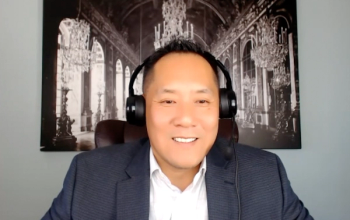
Dr. Chandler Park sat down for an interview with CURE® to discuss the biggest takeaway from the 2025 ASCO GU Symposium in terms of prostate cancer therapy.
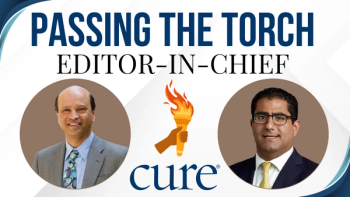
Our longtime editor-in-chief offers advice to his successor while discussing the news and education CURE magazine provides for patients with cancer, families and caregivers.