
News|Videos|March 3, 2017
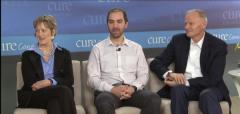
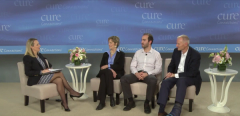
Connecting With An Oncologist Post-Surgery
Advertisement
Episodes in this series
Advertisement
Related to this article

Three phase 3 trials presented at the 2026 ESMO Congress looked closely at swallowing, daily functioning and blood counts in throat, kidney and colorectal cancer. Here is what they found about living well during and after treatment.

A national survey study of about 200,000 adults, published in Supportive Care in Cancer, found that people caring for someone with cancer had 89% higher odds of frequent mental distress than people who were not caregivers.

Longer follow-up presented at the 2026 ESMO Congress showed that four already-approved treatments for early breast cancer, kidney cancer, colorectal cancer and stomach and esophageal cancer kept helping patients years later.
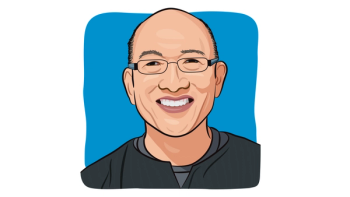
Ronald Chin reflects on hospitality, setting boundaries and accepting his body, and how his greatest strengths and struggles both come from one open heart.

Testicular cancer survivor Brian Sluga shares how faith, journaling and new goals, like training for marathons, helped him live a better life after cancer.

Psychiatrist Dr. Yesne Alici of Memorial Sloan Kettering Cancer Center answers questions about family relationships during cancer, from asking for help to talking with children and friends.
New research found that nearly 1 in 5 second-level appeals for denied cancer medications under Medicare Part D were successful, raising questions about how insurers make coverage decisions and what patients can do when their treatment is denied.
Joy Maulik, MSN, FNP-C, explains why a prostate cancer diagnosis should be seen as a change in direction, not an ending, and how patients can lean on education, their providers and caregivers.
Advertisement
Advertisement
Trending on CURE
1
4 Long-Term Survival Results From ESMO 2026 Patients Should Know
2
Top 5 Takeaways From ESMO 2026 That Patients Should Know
3
Neuro-Oncologist Answers Common Questions About Brain Cancer Diagnosis and Treatment
4
4 Lung Cancer Results From ESMO 2026 Patients Should Know
5