Survivors and experts share what to do before your first chemo infusion, from scalp cooling and saving your hair to skin care and building a support team.
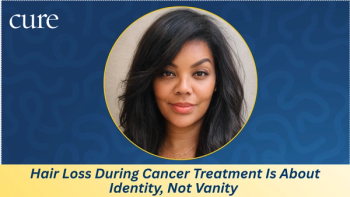
CURE spoke with Oncology Aesthetics & Wellness founder, Deborah A. McDowell, about hair preservation before, during and after cancer treatment.
For many women, losing their hair to chemotherapy is not just a physical side effect — it can feel like losing a piece of who they are.
Deborah A. McDowell has spent more than a decade helping women hold onto that part of themselves. She's the founder of Oncology Aesthetics & Wellness (OAW), formerly known as Hair With A Cause, built around a process the organization calls CPR — cut, preserve, reattach — that lets
Over the years, OAW has grown beyond hair to include skin care, medical tattooing, sound baths, yoga and a peer community for women navigating a cancer diagnosis.
CURE spoke with McDowell about how OAW got its start, why she describes hair loss during cancer treatment as an identity issue rather than a vanity one, and what she wants every newly diagnosed woman to know before treatment begins.
McDowell: Back in 2010, I owned a hair extension studio, and we primarily worked with industry and talent clients. A young woman came in who wanted to stop wearing her wig. She was done with treatment, and her hair had grown back to about half an inch. She wanted to know if we could help her with extensions.
I wasn't sure it would work — would it damage her hair? — so I did a lot of research and built a relationship with her. She trusted me to remove the wig and start the extension process, which took about 14 to 16 hours to install. It worked, and I stayed with her through her whole hair recovery journey, which took about a year.
It wasn't a business concept yet — it was the relationship. Two years later, her sister-in-law was diagnosed with cervical cancer, and I helped her, too. It was a slow growth: helping one person led to a referral, which led to a second person, which led to a vision, and then a business.
McDowell: We coined the phrase “it's not vanity, it's your identity” after a conversation with a young client who was devastated about losing or even cutting her hair. Her mom kept reassuring her that it would grow back. That's when it clicked for me: it was never about the hair itself. It's about what a woman sees when she looks in the mirror. … Once we finalize how we style our hair, we feel good about who we are and what we're presenting to the world. … It's part of who we are, and it's a major part of a woman's recovery, because even if she doesn't feel her best, she doesn't want to look in the mirror and see a sick person. Not having that “crown” affects self-esteem, which affects recovery.
McDowell: Before treatment, most women are focused on their image, so we walk them through their options — what we offer at OAW, what cold-capping companies offer, and how we can preserve or customize a wig for them.
During treatment, we help with whatever comes up — mouth sores, upset stomach, or if they're dealing with neuropathy and need mittens or something for their hands and feet.
After treatment, when patients are ready to move on, that's when we do the reattachment: turning preserved hair into extension strands, or, if they'd rather not do that, turning their wig into a hair hat or halo they can wear while their own hair grows back.
We also offer wellness classes, retreats with other nonprofits, and peer-to-peer connections with other women who've gone through the same type of cancer or treatment. It's personal — we slow down and walk with someone through every stage, until they don't need us anymore and can move on with their life.
McDowell: We help women avoid going down a rabbit hole on Google trying to figure out what to do and when. … What's helpful is that we create community: Women whose door cancer knocked on, uninvited, can connect with someone who has already walked through that same door. They know what to expect and have someone to talk to about the things they don't have the words to ask their doctor. Women don't have to rely only on their medical team — they can turn to peers who've been through the same experience and share what helped them.
That she can maintain her hair esteem while going through chemotherapy. Your image doesn't have to change because you're not feeling well — you don't have to sacrifice your hair or wear a wig if you want to keep your own.
… Hair With A Cause is the heartbeat of what we do, and OAW is the engine — the broader set of services we now offer. Our foundation's overarching goal is to become a national oncology hair-access foundation, so women don't feel like they have to settle for something they're not happy with because they can't afford a higher-quality wig.
Through the foundation, we raise money for a program that helps cover a woman's first fitting, or her hair preservation into a wig. So whether someone comes in for a customized wig or is turning her own hair into a wig during treatment, we want her to know there are several ways we can help — including through the foundation.
For more information, patients can visit
This interview has been edited for length and clarity.
For more news on cancer updates, research and education, don't forget to