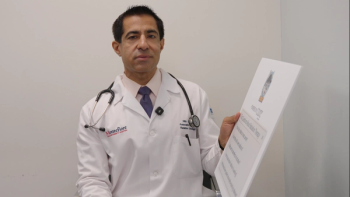
“Neuropathy, skin rash, and hyperglycemia are common adverse events associated with Padcev, according to study authors,” first study author Dr. Tareq Salous and authors wrote in the abstract of the study.
Salous is an assistant professor of clinical medicine in the Department of Medicine, Division of Hematology/Oncology, at the Indiana University (IU) School of Medicine, IU Simon Comprehensive Cancer Center, and is an associate member of Experimental and Developmental Therapeutics, in Indianapolis.
According to the National Cancer Institute’s website, neuropathy is a nerve disorder causing pain, numbness, tingling, swelling or muscle weakness in various body parts, often starting in the hands or feet and worsening over time. It can result from cancer or cancer treatments like chemotherapy, as well as physical injury, infection, toxins or conditions such as diabetes, kidney failure or malnutrition. This is also known as peripheral neuropathy.
Furthermore, also in reference to the National Cancer Institute’s website, urothelial cancer originates in urothelial cells, which line the urethra, bladder, ureters, renal pelvis and other organs. Also known as transitional cells, these cells can change shape and stretch without breaking apart. This cancer is also referred to as transitional cell cancer.
More on the FDA Approval of This Combination
Prior to the presentation at the meeting, on December 15, 2023, the FDA approved Padcev with Keytruda for locally advanced or metastatic urothelial cancer. The combination previously received accelerated approval for patients ineligible for cisplatin-based chemotherapy, according to the FDA’s website.
Approval was based on the EV-302/KN-A39 trial, an open-label, randomized study of 886 patients with locally advanced or metastatic urothelial cancer and no prior systemic therapy. Patients received either Padcev with Keytruda or platinum-based chemotherapy. The primary endpoints were overall survival (OS) and PFS.
Padcev with Keytruda significantly improved OS (median 31.5 versus 16.1 months) and PFS (median 12.5 versus 6.3 months) compared with platinum-based chemotherapy.
Reference
“Neuropathy, skin rash, and hyperglycemia as predictors of response to enfortumab vedotin in locally advanced and metastatic bladder and upper tract urothelial carcinoma.” By Dr. Salous T, et al. Presented at: Poster Session 771
For more news on cancer updates, research and education, don’t forget to subscribe to CURE®’s newsletters here.