

A phase 2 clinical trial of a new brain cancer treatment is underway.

A nationally-published, award-winning journalist, Alex Biese joined the CURE team as an assistant managing editor in April 2023. Prior to that, Alex's work was published in outlets including the Chicago Sun-Times, MTV.com, USA TODAY and the Press of Atlantic City. Alex is a member of NLGJA: The Association of LGBTQ+ Journalists, and also performs at the Jersey Shore with the acoustic jam band Somewhat Relative.
A phase 2 clinical trial of a new brain cancer treatment is underway.

An expert answers prostate cancer questions from a recent CURE Educated Patient Summit.

An expert told CURE that patients with cancer should discuss palliative care options with their team “as early as possible.”

The FDA has accepted a new drug application for the glioma-imaging agent Pixclara, with a decision expected next year.

Researchers have found that engaging in aerobic physical activity results in modest depression reduction among some patients with cancer.

From “The Office” star opening up in a new interview to Charley Steiner revealing his multiple myeloma journey, here is this week’s cancer news.

Adjusted survival outcomes were similar for patients with NPM1-mutated AML with intensive induction chemotherapy or hypomethylating agents and Venclexta.

Often mistaken as a synonym for hospice care, palliative care can be critical for patients with cancer and serious illnesses.

Results from the RAMP 201 clinical trial are promising for patients with recurrent low-grade serous ovarian cancer.

For patients with cancer, Symproic may prevent constipation and improve quality of life.

The FDA has approved Vyloy for patients with HER2-negative gastric or gastroesophageal junction (GEJ) adenocarcinoma with CLDN18.2-positive tumors.

As part of the CURE® Educated Patient® Prostate Cancer Summit, an expert discussed the role genetic testing plays in treatment decision-making for many.

For some patients with breast cancer, ctDNA may have the potential to predict disease relapse after they have undergone surgery and chemotherapy.

From Jenna Fischer announcing her breast cancer diagnosis to Martha Davis and the Motels canceling concerts after her radiation therapy, here’s what’s happening in the cancer space this week.

The Food and Drug Administration (FDA) has approved Itovebi (inavolisib) with Ibrance (palbociclib) and Faslodex (fulvestrant) for certain patients with advanced or metastatic breast cancer.

A phase 1b trial showed promising results among patients with relapsed or refractory chronic lymphocytic leukemia.
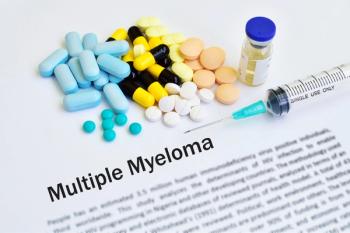
Ninlaro, Thalomid and dexamethasone followed by Ninlarlo maintenance may improve durability of response in myeloma after stem cell transplantation relapse.

A study found that nearly all older patients with ER-positive DCIS could have avoided lymph node removal, researchers have stated.

More than 60% of patients with relapsed or refractory KMT2Ar acute leukemia responded to the menin inhibitor revumenib.

For patients with adenocarcinoma of the esophagus and esophagogastric junction, chemoradiotherapy and chemotherapy improved survival versus surgery alone.

Research has shown that among patients with advanced non-small cell lung cancer, early palliative care delivered by video is as effective as in-person care.

From good news for a rock star to the deaths of stage and screen stars, here’s what’s happening in the cancer space this week.
The Food and Drug Administration has approved Opdivo before and after surgery for some with non-small cell lung cancer.

Researchers are advising against the interruption of treatment with Gleevec among patients with advanced gastrointestinal stromal tumors.

An expert explains study findings that associate a longer time until postsurgical melanoma recurrence with improved progression and survival.

The Hall of Famer has died from brain cancer at the age of 58, the NBA has announced.
An expert answered CURE® readers’ questions on several aspects of a prostate cancer journey, including treatment options and sexual function.

From Ann Wilson’s return to Heart after chemotherapy to Ryan Reynolds visiting a fan with cancer, here’s what’s happening in the oncology space this week.

An expert provides answers to readers’ questions regarding different aspects of the kidney cancer experience, such as protein intake and clinical trials.
Tagrisso has been approved for some adults with locally advanced, unresectable stage 3 non-small cell lung cancer.