
An expert discussed the findings of the COMMANDS trial evaluating Reblozyl’s role in red blood cell transfusion independence for patients with MDS.

A nationally-published, award-winning journalist, Alex Biese joined the CURE team as an assistant managing editor in April 2023. Prior to that, Alex's work was published in outlets including the Chicago Sun-Times, MTV.com, USA TODAY and the Press of Atlantic City. Alex is a member of NLGJA: The Association of LGBTQ+ Journalists, and also performs at the Jersey Shore with the acoustic jam band Somewhat Relative.
An expert discussed the findings of the COMMANDS trial evaluating Reblozyl’s role in red blood cell transfusion independence for patients with MDS.

The Food and Drug Administration has approved Sarclisa as a first-line treatment for patients with multiple myeloma who are ineligible for autologous stem cell transplant.

From model Bianca Balti’s ovarian cancer diagnosis to hockey pro’s testicular cancer diagnosis, here’s what’s happening in the oncology space this week.
While infections pose a risk for morbidity and mortality among patients with MDS, more needs to be studied about the topic, researchers urged.
An expert explained the burden that red blood cell transfusions can place on patients with MDS.

Kisqali has been FDA-approved with an aromatase inhibitor as postsurgical treatment for some with early breast cancer at a high risk of recurrence.

Patients with early breast cancer treated with presurgical endocrine therapy or chemotherapy plus Herceptin and Perjeta followed by response-guided chemotherapy experienced “exceptionally excellent” survival outcomes.

From Princess Kate entering ‘a new phase of recovery’ to a Rock and Roll Hall of Famer’s blood cancer announcement, here’s what’s happening in the cancer space this week.

As part of the CURE® Educated Patient® Gynecologic Cancers Summit, an expert explained the basics of biomarkers and the questions they raise.

With pivotal trial results and an approval from the FDA, the landscape is changing for patients with small cell lung cancer.

Researchers have compared Xtandi and Zytiga head-to-head in the treatment of metastatic castration-resistant prostate cancer.
Boruzu, an injectable presentation of Velcade, has been approved by the FDA for patients who either have multiple myeloma or mantle cell lymphoma.

A trial showed no overall survival or progression-free survival benefit from the addition of UV1 to Keytruda in patients with HNSCC.

A new algorithm has found that combining immune checkpoint inhibitors bolsters immune response among some patients with advanced melanoma.

What information could patients and providers learn from DNA found in a blood sample? An expert sat down with CURE to discuss ctDNA misconceptions.

CAR-T cell therapy is moving to earlier lines of multiple myeloma treatment.
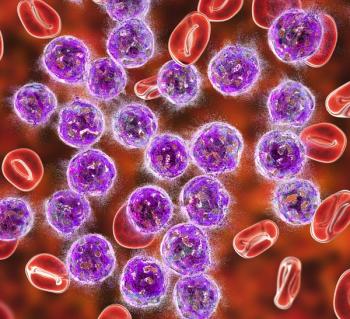
The Shorespan-007 trial will investigate the new drug among patients with essential thrombocythemia who have not previously received cytoreductive therapy.
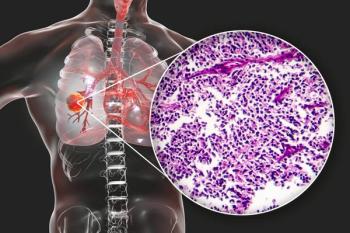
The antibody-drug conjugate GSK’227 is intended to treat patients with extensive-stage small cell lung cancer.
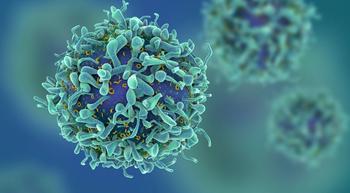
Monjuvi, Revlimid and Rituxan improved progression-free survival among adults with relapsed or refractory follicular lymphoma, topline research showed.
One expert explained why chronic lymphocytic leukemia is erroneously considered a ‘good cancer.’
From social work to cardio-oncology, there is a wide array of resources potentially available to patients, as one expert explained.
One expert explains why most of the time clinical trial enrollment is ‘the correct answer’ for patients.
There have been major treatment advancements for CLL in the last decade, with future generations of drugs on the horizon.

One expert explained why ‘it’s very important to know what’s going on’ with regard to new renal cell carcinoma treatments.

Researchers have identified genetic differences that can make leukemia relapse more or less likely among pediatric patients.
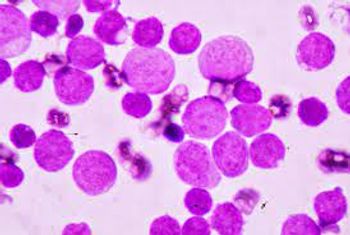
Researchers compared health-related quality of life among patients ages 60 and older with acute myeloid leukemia undergoing different chemotherapy regimens.

With attitudes evolving around telemedicine in oncology, one doctor explains how patients can get ready for a video appointment with their provider.

One researcher explains the science behind Lymphir, recently approved by the FDA for relapsed/refractory cutaneous T-cell lymphoma.

One expert explains how a break in TKI treatment could alleviate some toxicities, such as rash, for patients with non-small cell lung cancer.
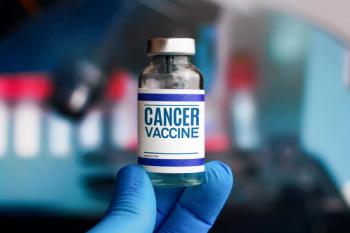
The cancer vaccine, mRNA-4157, garnered immune responses of 30 weeks among some patients with melanoma and lung cancer, study results showed.