
Imfinzi plus chemotherapy, when given before surgery, improved pathologic complete response rates, regardless of region, in certain patients with gastric or gastroesophageal junction cancers.
Imfinzi plus chemotherapy, when given before surgery, improved pathologic complete response rates, regardless of region, in certain patients with gastric or gastroesophageal junction cancers.
A recent phase 3 APTneo Michelangelo trial added Tecentriq to neoadjuvant Herceptin plus Perjeta and chemotherapy which did not lead to a statistically significant improvement in pathologic complete response in patients with HER2-positive operable breast cancer.
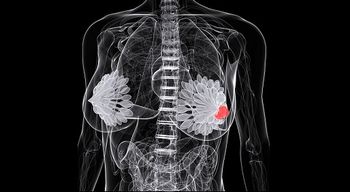
The combination of Keytruda to neoadjuvant chemotherapy, followed by Keytruda in combination with endocrine therapy improved pathologic response rates for patients with early-stage, high-risk, estrogen receptor (ER)–positive/HER2-negative breast cancer.

Datopotamab deruxtecan elicited encouraging responses in patients with heavily pretreated non–small cell lung cancer harboring actionable genomic alterations.

Jemperli plus chemotherapy demonstrated improvement in overall survival compared with Keytruda and chemotherapy in patients with treatment-naïve, nonsquamous non–small cell lung cancer.
Retevmo improved progression-free survival, compared with chemotherapy with or without Keytruda in patients with RET-fusion positive non-small cell lung cancer.

Benmelstobart plus anlontinib with a chemotherapy combination improved survival outcomes for patients with extensive-stage small cell lung cancer.

Patients with BAP1-mutated renal cell carcinoma who were treated with Lynparza obtained responses with favorable side effect profiles.
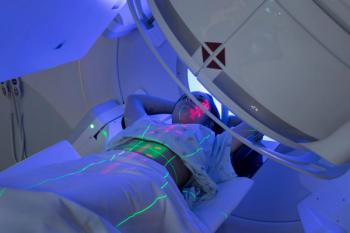
Patients with a subtype of lymphoma may be able to exclude radiotherapy if they respond to chemoimmunotherapy, although more follow-up is needed to assess potential long-term toxicities.

Patients with locally advanced rectal cancer treated with FOLFOX before surgery had similar outcomes and side effect profiles to those treated with presurgical pelvic chemoradiation.
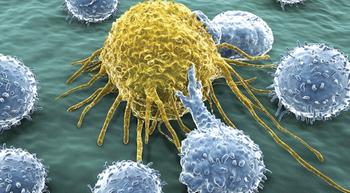
The CAR-T cell therapy, Tecartus, improved outcomes for patients with B-cell acute lymphoblastic leukemia, offering a promising standard of care for this patient population.
The combination treatment demonstrated survival and safety results similar to those of chemotherapy for patients with advanced, untreated follicular lymphoma.

With no approved therapies for NRG-1 cancers, zenocutuzumab offers a promising treatment option for this patient population.

The Food and Drug Administration granted a breakthrough therapy designation to a new drug that can be used to treat patients with mantle cell lymphoma.

The data, according to the study’s lead author, confirm that Trodelvy should be considered a new standard of care in patients with metastatic triple-negative breast cancer.

The addition of a novel drug to the chemotherapies gemcitabine and cisplatin significantly improved a survival outcome in patients with a rare form of head and neck cancer, compared with chemotherapy alone.

Patients with metastatic non–clear cell renal cell carcinoma who receive immune checkpoint inhibitor–based regimens as a first treatment option may have improved survival, versus those who receive select targeted therapies.

The Food and Drug Administration approved the targeted therapy Tukysa as part of a drug combination to treat HER2-positive breast cancer. Here’s what you need to know.

Progress in treating rare cancers represents the most significant oncology advance of last year, ASCO says.