

A clinical trial recently kicked off to study the effects of combining the novel drug BBP-398 plus Lumakras in patients with lung cancer that harbors a KRAS G12 mutation.
A clinical trial recently kicked off to study the effects of combining the novel drug BBP-398 plus Lumakras in patients with lung cancer that harbors a KRAS G12 mutation.

Investigators of an expanded clinical trial have administered an investigational CAR-T cell therapy to the first patient with blood cancer.

NC410 plus Keytruda will be studied in a phase 1b/2 trial for patients with certain solid cancers that either did not respond to or have not been treated with an immunotherapy agent.

The FDA granted a fast track designation to an investigational drug alone and in combination with Keytruda to treat patients with HPV recurrent/metastatic head and neck squamous cell carcinoma.

Treatment with an investigational drug elicited a median progression-free survival (time from treatment until disease progression or death) of 8.9 months among patients with a form of unresectable or metastatic squamous non-small cell lung cancer, according to trial findings.

The novel drug PY159 will be studied as a single agent and in combination with Keytruda for patients with certain solid tumors — including ovarian, pancreatic, lung, head and neck, colorectal and breast cancers.

The OnPrime trial will investigate if adding Olvi-Vec, a modified virus, to chemotherapy and Avastin will improve outcomes for pretreated platinum-resistant or refractory ovarian cancer.

Botensilimab will be evaluated in certain patients with colorectal cancer and melanoma, a type of skin cancer, in two recently launched clinical trials.
The first patient was treated in a phase 2 trial assessing the safety and efficacy of navicixizumab, with or without chemotherapy, in colorectal, gastric, ovarian and breast cancer.

ATX01, a new topical treatment for chemotherapy-induced peripheral neuropathy, will be investigated in a phase 2 trial.

Patients with blastic plasmacytoid dendritic cell neoplasms can enroll in the ongoing CADENZA trial, which is investigating the safety and efficacy of the novel agent pivekimab sunirine in patients with the rare blood cancer.

The first patient has been treated with H002, a novel drug being investigated for non-small cell lung cancer that is resistant to a prior EGFR TKI treatment.
A clinical trial recently kicked off, analyzing the combination of imetelstat plus Jakafi for the treatment of myelofibrosis, a type of rare blood cancer.

Many participants enrolled in the CRC-PREVENT trial are from communities often underrepresented in clinical trials due to gender, race and socioeconomic status, among other factors.

The phase 3 MAGNOLIA trial will assess whether abelacimab can prevent venous thromboembolism recurrence in patients with gastrointestinal or genitourinary cancers.
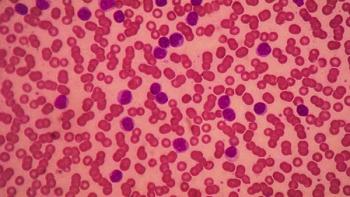
Adding the investigational cancer drug lanraplenib to Xospata, if found to be effective, may broaden treatment options for patients with relapsed/refractory FLT3-mutated acute myeloid leukemia.

A representative of the company developing the investigational CAR-T cell therapy noted that they hypothesize that the combination “has the potential to further enhance efficacy and provide patients with a chemotherapy-sparing, second-line treatment option.”
Investigators plan to analyze if treatment with an experimental, CAR-T cell therapy is safe and effective in a small group of patients with relapsed or refractory metastatic colorectal cancer.

A new study will analyze the effect of exercise on chemotherapy tolerability and outcomes in patients with colon cancer.

A phase 2 trial will analyze the novel drug ART4215 with Talzenna, a PARP inhibitor, for patients with BRCA-deficient breast cancer.

After findings from an early-phase trial showed that the novel drug was associated with anti-tumor activity, investigators decided to continue enrolling more patients with ER-positive, HER2-negative metastatic breast cancer.

Treatment with an investigational drug plus with Libtayo showed encouraging anti-tumor activity in patients with advanced metastatic castration-resistant prostate cancer, according to preliminary data from an early-phase trial.
Enrollment has begun on a phase 3 clinical trial assessing the safety and efficacy of an investigational cell therapy in patients with acute myeloid leukemia, acute lymphocytic leukemia and myelodysplastic syndromes.

A new treatment group within the PYNNACLE clinical trial is set to evaluate a novel drug plus Keytruda in patients with p53 Y220C-mutant locally advanced or metastatic solid tumors.

More than half of patients with metastatic, cisplatin-ineligible bladder cancer saw their cancer shrink when given Padcev and Keytruda in a clinical trial.

An ongoing clinical trial aims to determine if pre- and post-surgical chemotherapy can improve outcomes for patients with stage 2 and 3 gallbladder cancer.

ART27.13 may help increase appetite in patients undergoing cancer treatment.

Amazon and Fred Hutchinson Cancer Center recently launched an early-phase clinical trial to assess the safety and efficacy of a cancer vaccine in the treatment of patients with late-stage skin cancer or hormone receptor-positive, HER2-negative breast cancer.

The manufacturer of one of the cancer treatments announced that it is also participating in clinical trials assessing the safety and efficacy of their product in colorectal and endometrial cancer.

The first patient was dosed in a phase 2 trial studying the efficacy of sapanisertib in patients with NRF2-mutant relapsed/refractory lung cancer.