

According to the manufacturer, this is the first-in-human clinical trial of Allocetra combined with chemotherapy in patients with peritoneal metastases arising from solid cancers.
According to the manufacturer, this is the first-in-human clinical trial of Allocetra combined with chemotherapy in patients with peritoneal metastases arising from solid cancers.
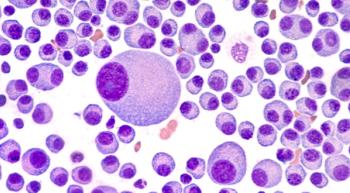
The myeloma treatment group of the COVALENT-101 clinical trial recently started, analyzing the new drug BMF-219 in patients with relapsed or refractory disease.

The study the FDA allowed to continue is investigating the safety and efficacy of the novel cancer drug ACR-368 in patients with endometrial, urothelial and ovarian cancer.

A phase 2a trial is kicking off to study frontline GB1211 with the immunotherapy agent Tecentriq in patients with advanced or metastatic non-small cell lung cancer.

A clinical trial just launched to study Vaxinia — a novel cancer vaccine — in patients with previously treated advanced solid tumors.

Patients can still talk to their clinicians about enrolling in a sub-study of the FIRELIGHT-1 trial, analyzing tovorafenib plus pimasertib in progressive or refractory solid tumors with MAPK pathway aberrations.
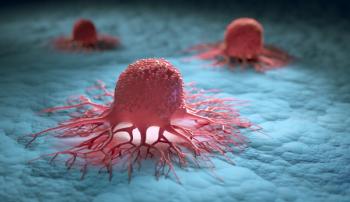
The aim of the early-stage trial is to identify the safety of the experimental drug as either a single-agent therapy as well as in combination with Keytruda in adults with multiple solid tumors.
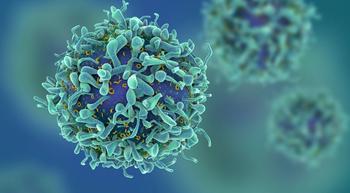
NX-5948 may be able to pass through the blood-brain barrier in patients with B-cell malignancies, potentially making it a promising option for patients with disease in their central nervous system.

The Strata PATH trial will use a novel testing strategy to determine if certain patients with solid tumors can benefit from already-approved therapies.

The hope, according to an expert, is that this trial will expand CAR-T cell therapy access to more patients with multiple myeloma.

Findings from an early-stage trial assessing Talzenna in combination with a novel drug, known as ZEN-3694, have led the manufacturer to initiate a later-stage study in patients with triple-negative breast cancer.

The primary objective of the early-stage trial is to determine the maximum tolerated dose of the novel drug in a group of patients with recurrent and/or refractory solid tumors.

Researchers are set to launch a new study to examine the feasibility of using an in-home virtual reality-guided mindfulness program to mitigate the effects of chronic cancer-related pain in patients and cancer survivors.
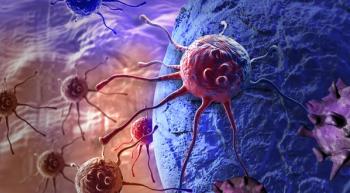
The first patient was dosed in a clinical trial evaluating the radiopharmaceutical agent, CycloSam, in patients with bone cancer or cancer that has metastasized to the bone.

The trial of CLR 131 (iopofosine) for relapsed/refractory Waldenstrom’s macroglobulinemia will continue, as the drug will be studied in an estimated 50 patients.

The first patient was dosed in the CLAUDIO-01 trial, analyzing SOTO102 in patients with certain types of gastric and pancreatic cancers.

The drug, known as BDTX-1535, is being investigated in patients with glioblastoma that harbors EGFR alterations and non-small cell lung cancer that harbors EGFR mutations of intrinsic or acquired resistance and disease that has failed standard treatment.

Once a recommended dose of the drug is determined, the study investigators will review the efficacy and safety associated with this treatment across a variety of patients with bladder and liver cancer, as well other solid tumors.

The plan to launch the phase 1 trial to evaluate the safety and efficacy of combining the CAR-T cell therapy and oncolytic virus in patients with recurrent glioblastoma, a type of brain cancer, is supported by interim data from two ongoing trials.
The plan, according to the San Diego-based pharmaceutical company, is to launch a phase 3 trial to analyze the safety and efficacy of a novel drug in mantle cell lymphoma in the second half of 2022.
The primary focus of the trial is to evaluate the incidence of treatment-emergent and serious side effects in patients receiving either the novel drug alone or in combination with Keytruda.

Earlier in the year, clinical trials assessing magrolimab for myelodysplastic syndrome and acute myeloid leukemia were put on a partial clinical hold, but now the FDA said that they can start enrolling patients again.

The Food and Drug Administration granted a fast-track designation to Bria-IMT for the treatment of patients with metastatic breast cancer.

Investigators plan to enroll approximately 90 patients with squamous cell carcinoma of the head and neck, as well as metastatic bladder and non-small cell lung cancer.
A phase 2 trial will investigate LTX-315 in patients with basal cell carcinoma, the most common form of skin cancer.

The first patient was dosed in an early-phase trial evaluating the investigational cell therapy DeTIL-0255 for the treatment of advanced ovarian, cervical and endometrial cancer.

Researchers have treated the first patient in the PRECISION 1 trial with Fyarro to assess the drug’s efficacy across several endpoints including survival among more than 100 patients with solid tumors that exhibit certain genetic alterations.

An upcoming phase 2 study will explore if the transdermal (through the skin) delivery of a drug commonly used to treat nausea and vomiting will result in no nausea, no vomiting and no use of rescue medicines in patients with cancer receiving chemotherapy.

The plan is to assess the safety and efficacy of the genetically engineered cell therapy alongside high-dose chemotherapy and blood stem cell transplantation in approximately 150 patients with lymphoma.

A patient with an advanced solid tumor was given their first dose of a novel antibody, kicking off a phase 1/1b study comparing this drug with or without Keytruda in patients with several types of solid tumors.