
Patients with previously treated small cell lung cancer who received a 10-mg dose of tarlatamab had improved responses with no new safety signals.
Patients with previously treated small cell lung cancer who received a 10-mg dose of tarlatamab had improved responses with no new safety signals.
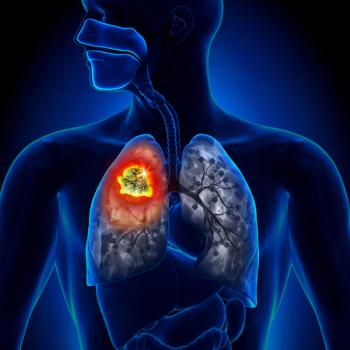
Lumakras outperformed chemotherapy in reducing the risk of progression or death and improving quality of life for patients with KRAS G12C-mutated non-small cell lung cancer, study results showed.

None of the more than 100 evaluable patients with mismatch repair deficient colon cancer have experienced disease recurrence after treatment with presurgical Opdivo plus Yervoy, according to study results.

Treatment with Libtayo may improve survival over a 30-month period with no new side effects in patients with recurrent or metastatic cervical cancer, opening the doors for an immunotherapy option for these patients.
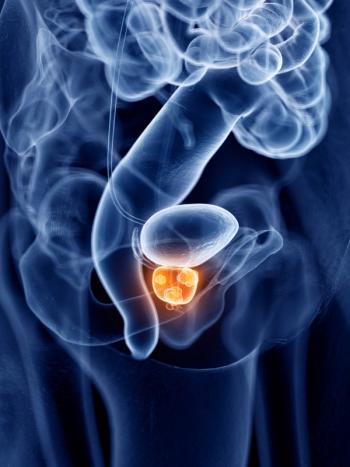
Two years of the hormone treatment androgen-deprivation therapy (ADT) after radiotherapy and radical prostatectomy tended to improve metastasis-free survival for patients with prostate cancer, study results showed.
The use of a tumor-infiltrating lymphocyte therapy led to better outcomes than treatment with Yervoy in patients with unresectable, treatment-refractory stage 3/4 melanoma, a type of skin cancer, study results showed.
With nearly one-year of additional follow-up, adding Keytruda to the combination of abiraterone acetate and the steroid prednisone shows continued benefit in men with metastatic castration-resistant prostate cancer.
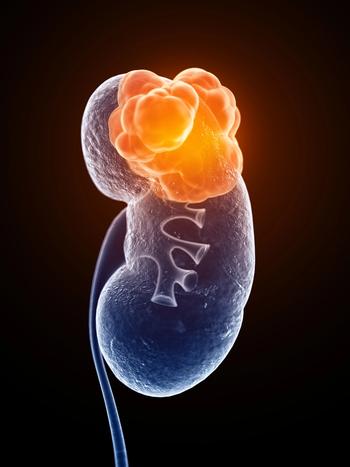
The addition of Cabometyx to the current standard-of-care frontline regimen of Opdivo plus Yervoy improved progression-free survival outcomes in patients with advanced kidney cancer.
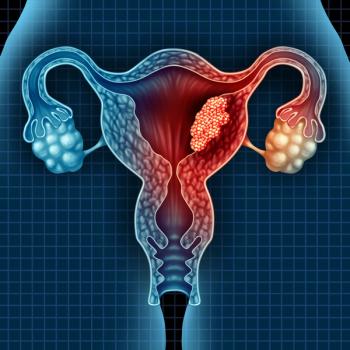
Lenvima plus Keytruda improved survival outcomes for patients with pretreated advanced endometrial cancer, according to recent clinical trial data.

BNT211-01, a novel CAR-T cell therapy, was efficacious in treating patients with CLDN6-positive, relapsed/refractory solid cancers, according to a small clinical trial.

Compared to physician’s choice of treatment, Trodelvy improved survival and quality of life in pretreated patients with HR positive/HER2 negative metastatic breast cancer.

Adding the novel drug oleclumab to Imfinzi and chemotherapy for the frontline treatment of advanced triple-negative breast cancer did not improve clinical outcomes, according to recent study findings.

Rubraca improved progression-free survival in patients with BRCA1/2-mutant, platinum-sensitive, relapsed ovarian cancer, according to findings from the ARIEL4 clinical trial.

“Survivors living with recurrent breast cancer have unique needs and programs that address these needs can enhance patient satisfaction,” the study authors wrote.

Two studies showed that adding a CDK4/6 inhibitor to treatment with Faslodex improved survival among women with hormone receptor-positive, human epidermal growth factor2-negative advanced breast cancer.
First-line Tagrisso significantly extended overall survival compared with first generation EGFR-TKIs in patients with Ex19del/L858R EGFR mutated advanced non–small cell lung cancer, according to results from the phase 3 FLAURA study.
One in two patients with metastatic melanoma is alive five years following treatment with Opdivo plus Yervoy, according to long-term follow-up of the phase 3 CheckMate 067 trial.
Frontline maintenance therapy with Zejula lengthened time without disease progression among women with newly diagnosed, advanced ovarian cancer, according to findings from the phase 3 PRIMA study.
First-line treatment with Opdivo plus low-dose Yervoy improved survival among patients with advanced NSCLC compared to chemotherapy, according to results from the CheckMate-227 trial.
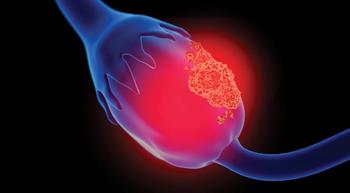
The addition of Lynparza to maintenance therapy with Avastin improved time to disease progression in women with advanced ovarian cancer, according results of the PAOLA-1/ENGOT-ov25 trial.
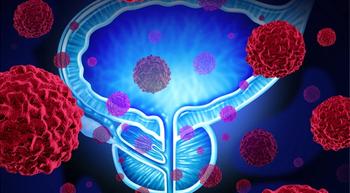
Morever, the next-generation androgen receptor improved overall survival, compared with placebo, in patients with nonmetastatic castration-resistant prostate cancer, according to updated findings of the phase 3 SPARTAN trial.