
CURE spoke with an expert about the potential positive effects of psilocybin-assisted psychotherapy.
CURE spoke with an expert about the potential positive effects of psilocybin-assisted psychotherapy.
Dr. Richard “Rick" Winneker discussed advice that he would provide to patients faced with a myeloproliferative neoplasm diagnosis.
Dr Sattva S. Neelapu discusses data from the ZUMA-5 trial investigating the CAR T-cell therapy Yescarta in relapsed/refractory follicular lymphoma.
One research noted the persistent efforts to develop new treatments for myeloproliferative neoplasms (MPNs), a commitment that remains strong despite some setbacks.
While in nursing school, a patient recognized potential signs of a blood disorder and advocated for further testing, leading to an early diagnosis of essential thrombocythemia.
A patient with MPN urges others to ask questions about treatment options, which may also include inquiring about clinical trials.
A clinical trial manager emphasizes the importance of a phased approach to educating patients about complex protocols and potential side effects.
Treatment with five-fraction SBRT for prostate cancer may be more convenient than receiving traditional radiation therapy techniques, an expert said.
An MPN advocate used his personal experiences to inform his dedication to patient-centered research and support programs for patients.
A patient advocate discusses the difficulties of finding and participating in clinical trials for MPNs, and the impact on research and treatment development.
An expert spoke with CURE® about the importance of information that can be gained from genetic testing for patients with breast cancer.
The treatment combination was found to reduce the risk of follicular lymphoma progression or death by 57%, a study has shown.
A health care professional talks about the importance of a supportive care team, especially since every patient with MPNs presents differently.
After sharing his cancer story online, Jace Yawnick is in a state of technical remission after receiving a diagnosis of non-Hodgkin lymphoma at age 25.

Utilizing tools such as spreadsheet trackers can make a big difference when organizing cancer-related medical bills and noting out-of-pocket maximums.
When insurance denies coverage of cancer treatment, patients with cancer don’t need to take no for an answer, an expert explained.

Targeting the estrogen receptor and HER2 pathways improved progression-free survival in patients with HR-positive, HER2-positive metastatic breast cancer.
CURE® spoke with an expert about follicular lymphoma, a disease that is still considered incurable.

Black patients may be more affected by certain side effects from Talvey compared with White patients with multiple myeloma, an expert told CURE®.
With a significant change happening in the Medicare space in early 2025, patients with cancer eligible for Medicare may see its benefits soon.
Maggie Bushway reflected on her memoir “Pearls: A Memoir on Childhood Cancer and Hope,” and her journey of healing and resilience after brain cancer.

Author and kidney cancer survivor Katie Coleman explains why patients with cancer need to advocate for themselves when navigating the medical system.

An expert from the CURE® advisory board explains the likely treatability of Dave Coulier’s non-Hodgkin lymphoma.

Singer-songwriter Danielia Cotton, a thyroid cancer survivor and marathon runner shared how her experiences impact her art.
Current treatments for patients with relapsed or refractory chronic lymphocytic leukemia have shown better outcomes than published data, an expert said.
An expert discusses the next steps for patients with metastatic breast cancer after their disease no longer responds to hormone therapy.
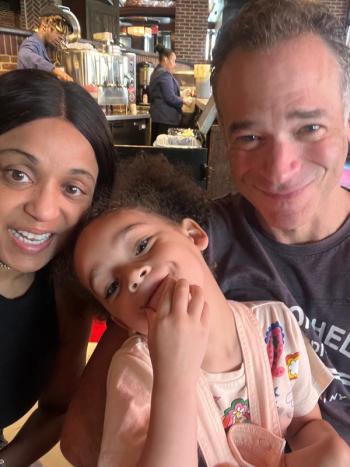
Musician Danielia Cotton and her partner, attorney Sam Roberts, discuss how much they’ve shared with their daughter about their cancer journeys.
An expert highlighted unmet needs in treating T-cell acute lymphoblastic leukemia and where research may focus in the future.

For patients with relapsed or refractory CLL, an expert explained that it’s important to understand the order of how treatments are given.
CURE® spoke with a physical therapist specializing in oncology to find out more about this condition some patients with cancer are at risk for.