A mother whose daughter is seven years past breast cancer treatment shares how scan anxiety and waiting shape life after cancer for survivors and families.
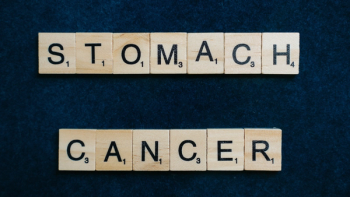
Food safety, germs, fatigue, taste changes and tough questions can make Thanksgiving harder during cancer treatment. Here are five ways to plan ahead.
Thanksgiving is Thursday, Nov. 26. For people in cancer treatment, the holiday can come with worries most guests never think about: whether the food is safe, who at the table might be sick, how long you can stay on your feet and what to say when someone asks how treatment is going.
Breast cancer survivor Bonnie Annis wrote in a recent
Cancer and treatments such as chemotherapy and radiation can weaken the immune system, which makes foodborne illness more likely, according to the Food and Drug Administration (FDA).
The CDC recommends using a food thermometer to make sure the turkey reaches 165 degrees Fahrenheit, checking three places: the breast, where the thigh meets the body and where the wing meets the body, avoiding bone. If stuffing is cooked inside the bird, its center also needs to reach 165 degrees, and the turkey should rest 20 minutes before the stuffing comes out. Skip rinsing the raw turkey, which can spread germs to other food.
Leftovers should go into a refrigerator set at 40 degrees or colder within two hours of cooking. The CDC says to eat cooked turkey and dishes made with it within three to four days and to reheat all leftovers to at least 165 degrees.
Some holiday favorites carry extra risk for people with weakened immune systems. A New Jersey Department of Health fact sheet lists unpasteurized juices or ciders, soft cheeses such as queso fresco and deli meats that aren't heated until steaming hot among foods to avoid. The FDA recommends asking your health care provider which foods to skip, since the right advice can depend on your blood counts and treatment.
In a Q&A published by the CDC Foundation, CDC medical officer Dr. Alice Guh advised people with cancer to wash their hands and to encourage everyone they come into contact with to do the same. She also stressed that a fever in someone receiving chemotherapy is an emergency.
Before the long weekend, confirm how to reach your care team after hours so you know exactly who to call if a fever starts on Thanksgiving night.
Roswell Park Comprehensive Cancer Center recommends that household members and caregivers get a flu vaccine, since they can't pass the flu to you if they don't get it. Moffitt Cancer Center advises people with cancer to talk with their care team about when they should be vaccinated. It's also fair to ask anyone who feels sick to stay home or join by video this year.
Cancer-related fatigue can make a long holiday feel even longer. NCI suggests choosing the activities that matter most to you and doing them when you have the most energy. Short naps of less than one hour can help, and the people close to you can take on tasks such as making meals, cleaning and driving. NCI also notes that several small meals may be easier than three large ones, and recommends drinking plenty of water while limiting caffeine and alcohol.
In practice, that might mean turning dinner into a potluck instead of cooking everything yourself, sitting down while you help in the kitchen or deciding ahead of time when you'll head home or step away to rest.
Treatment can change how food tastes and smells. According to the ACS, people often notice a bitter or metallic taste, especially after eating meat or other high-protein foods.
If food tastes like metal, the ACS suggests using plastic forks, spoons and knives along with glass cups and plates, and cooking in glass pots and pans instead of metal ones. If strong smells bother you, Mayo Clinic suggests trying foods that are cool or at room temperature, since hot foods have a stronger odor.
Start with small portions so a full plate doesn't feel overwhelming, and let your care team know if you are having trouble eating or drinking.
Relatives usually mean well, but questions about scans, side effects or how you look can wear you down. Social workers at Huntsman Cancer Institute say it's fair to tell loved ones you don't want to discuss your disease or treatment in every conversation. A simple redirect, such as saying you've chosen to focus on being present this holiday, can move the conversation along.
If speaking up feels hard, ask a trusted friend or relative to share your wishes or post health updates for you. CancerCare also suggests talking with your health care team about upcoming holiday plans, since they may be able to work around appointments for travel or other needs.
Yes. There is no right way to spend the holiday during treatment. A smaller gathering, a shorter visit or a quiet day at home all count. Protecting your health and making space for the moments that feel good is enough.
For more news on cancer updates, research and education,