For World NET Cancer Day, CURE answers seven common questions about neuroendocrine tumors, from carcinoid syndrome and Ki-67 to dotatate PET scans and treatment options.
Treatment for stomach cancer depends mostly on its stage and, for advanced disease, on biomarkers such as HER2. This Stomach Cancer Awareness Month explainer walks through the main options at each stage, based on National Cancer Institute guidance.
When you or someone you love is told it is stomach cancer, one of the first questions is what treatment will look like. The answer depends mostly on the cancer's stage, meaning how far it has grown into the stomach wall and whether it has spread to lymph nodes or other organs. For advanced cancer, it also depends on tests of the tumor itself.
November is Stomach Cancer Awareness Month. Here is a plain-language overview of how treatment generally works, based on the National Cancer Institute's (NCI) treatment information, last updated April 10, 2025. Your own plan may differ, so use it as a starting point for talking with your care team.
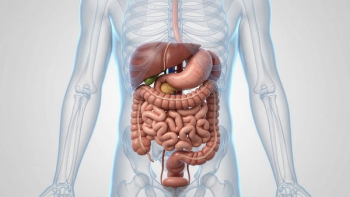
Surgery is the main treatment for stomach cancer that has not spread far. A gastrectomy removes part of the stomach (subtotal gastrectomy) or all of it (total gastrectomy), along with nearby lymph nodes. For some very small, early tumors, doctors can instead remove the cancer through a thin, lighted tube passed down the throat, a procedure called endoscopic mucosal resection.
Chemotherapy uses drugs to kill cancer cells, and radiation therapy uses high-energy beams. Targeted therapy drugs act on specific proteins on cancer cells, and immunotherapy helps the immune system find and attack the cancer. NCI also lists HIPEC, a heated chemotherapy rinse of the belly during surgery, which is used in select cases, and clinical trials as treatment options.
Stage 0, also called carcinoma in situ, means abnormal cells are found only in the inner lining of the stomach. Stage I cancer has grown a little deeper or reached a small number of lymph nodes. For both, gastrectomy is the main treatment, and endoscopic mucosal resection is a less invasive option for some small tumors. Some people with stage I cancer also receive chemotherapy, radiation or both before or after surgery.
At these stages, the cancer has grown deeper into or through the stomach wall, reached more lymph nodes, or both. Surgery is still the main treatment. Many people also receive chemotherapy, with or without radiation, before surgery to shrink the cancer, after surgery to lower the chance of it returning, or both. Your team will explain the order and length of each part of treatment.
For stage IV stomach cancer, cancer that cannot be removed with surgery and cancer that comes back, NCI describes treatment as palliative. In this setting, palliative does not mean hospice. It means treatment aimed at controlling the cancer, helping people live longer and easing symptoms such as pain or trouble eating.
Here, tumor testing guides the first choice. For HER2-negative cancer, options include chemotherapy with or without the immunotherapy drug Opdivo (nivolumab), or chemotherapy with the targeted drug Vyloy (zolbetuximab), which CURE covered
HER2 is a protein that drives some stomach cancers to grow. Tests on a tumor sample can show whether a cancer is HER2-positive, whether it carries claudin 18.2 or PD-L1, and whether it has DNA repair changes. These results can open the door to targeted drugs, immunotherapy or a clinical trial. If you have advanced stomach cancer, it is worth confirming which tests have been done on your tumor.
Life after a gastrectomy often means new eating habits. NCI notes that people who have had part or all of the stomach removed may need to eat smaller amounts more often, change what they eat and stay upright for a while after meals. A dietitian who works with people with cancer can help. A chef shared with CURE
For more news on cancer updates, research and education,