Immunotherapy is a mainstay of lung cancer treatment, and its side effects are different from chemotherapy's. Here are five to know, what they feel like and how care teams treat them.
The Whipple procedure is the main operation for cancer in the head of the pancreas. Here is what is removed, what the hospital stay is like, the complications to know about and how eating changes afterward.
What exactly is a Whipple procedure, and what will recovery be like? If you or someone you love has pancreatic cancer in the head of the pancreas, the part nestled against the small intestine, this may be the operation your surgeon is recommending. The formal name is pancreaticoduodenectomy, and it is one of the most complex surgeries in cancer care. For Pancreatic Cancer Awareness Month, here is a plain-language guide.
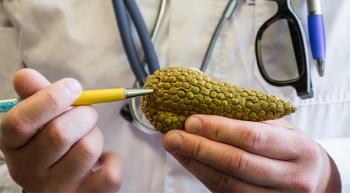
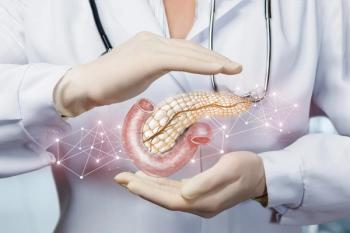
In a standard Whipple, the surgeon removes the head of the pancreas, the gallbladder, part of the bile duct, the duodenum (the first section of the small intestine), the lower end of the stomach and nearby lymph nodes. In a pylorus-preserving Whipple, the valve at the bottom of the stomach is left in place.
The surgeon then rebuilds the digestive tract by connecting the remaining pancreas, bile duct and stomach to the small intestine. That way, digestive juices and bile can still reach your food, and the part of the pancreas that remains keeps making both digestive enzymes and insulin, the hormone that controls blood sugar.
The operation is used for tumors in the head of the pancreas that have not spread, and also for some cancers of the duodenum, bile duct and ampulla (where the bile and pancreatic ducts empty), as well as some pancreatic neuroendocrine tumors. Whether it is right for you depends on where the tumor is, whether it involves nearby blood vessels and your overall health. Many people get chemotherapy before or after surgery as part of their plan.
Because the surgery is so complex, many experts advise having it at a center that performs a high number of Whipple procedures each year. It is fair to ask your surgeon how many they do.
Most people stay in the hospital about a week. You may wake up with a tube through your nose into your stomach, which is usually removed the next day, and a urinary catheter for up to three days. Rick Lenert, who had a Whipple for stage 1 pancreatic cancer, recalled in his
A pancreatic fistula, a leak of pancreatic juice where the pancreas was joined to the intestine, is one of the best-known complications. Another is delayed gastric emptying, when the stomach is slow to pass food along, causing fullness, nausea or vomiting. Bleeding and infection are possible, as with any major surgery. Your team watches closely for all of these, and most are treated without another operation.
Expect your eating to change. Small, frequent meals are usually easier, and a dietitian can help you adjust. Because less pancreas means fewer digestive enzymes, many people are prescribed pancreatic enzyme pills with meals to help digest food, especially fat, and to prevent diarrhea and weight loss. Some people develop diabetes or find their existing diabetes harder to control, since the pancreas also makes insulin.
Weight loss is common, sometimes dramatic. Lenert wrote, "I went from 160 lbs. to 91 lbs." Tell your team if the scale keeps dropping, because enzyme doses and nutrition support can often be adjusted.
A few questions can make your consultation more useful: How many Whipple procedures does your team do each year? Will I have chemotherapy before or after surgery? How long do you expect my hospital stay and recovery at home to be? Will I need enzyme pills or blood sugar monitoring afterward? Who do I call with problems once I am home?
At home, plan for a family member or friend to help until your team clears you for normal activity, avoid heavy lifting, increase walking a little each day and don't drive while taking opioid pain medicine. Recovery takes weeks to months, and, as Lenert put it, "take each day as it comes." For a look at newer treatment options, see
For more news on cancer updates, research and education,