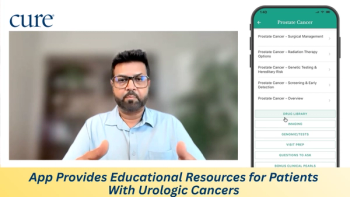
A nurse practitioner discusses how an app provides information on cancer treatments, potential side effects and preparing for medical appointments.
Brad Dugai and Russ Reed discuss symptom relief, skin-related side effects and challenges accessing Rasonque, a treatment for pancreatic cancer.
A pancreatic cancer diagnosis can bring uncertainty about treatment, survival and quality of life. For Brad Dugai and Russ Reed, treatment with Rasonque (daraxonrasib) offered relief from debilitating symptoms and an opportunity to return to activities they had previously been unable to enjoy.
“When the CT came back, [the doctor] came in and he said, ‘I can’t definitively diagnose it from the CT, but I think you have pancreatic cancer,’” one patient recalled.
Rasonque is an oral therapy that targets the RAS signaling pathway involved in cancer growth. The treatment works by interrupting signals that allow cancer cells to grow.
One patient reported rapid symptom improvement after beginning treatment on Sept. 12.
“Within 24 hours, all of that pain and the limp were 100% gone,” he said.
Although Rasonque has demonstrated improvements in survival, the speakers emphasized that the treatment is not a cure.
“It prolonged survival. It helped improve quality of life, but it did not yet result in cures,” one speaker explained.
Treatment also came with significant skin-related side effects. One patient described experiencing bleeding from his scalp and face.
“I would go to sleep at night, and I’d wake up in the morning, and my pillow would be covered with blood,” he recalled.
A speaker emphasized the importance of discussing preventive measures for skin reactions before patients begin treatment.
Access to medication presented another challenge. One patient described working with a nurse navigator, pharmacy team, insurance provider and manufacturer to reduce his out-of-pocket medication cost to $0.
Despite these obstacles, treatment allowed one patient to return to boating, an activity he had avoided during chemotherapy because of fatigue and concerns about safely operating his boat.
“This year, I’ve been able to do that,” he said. “I’m great today. I mean, most days I don’t feel like I have cancer.”
The experiences shared by Dugai and Reed illustrate how treatment can affect daily functioning and quality of life alongside the challenges of managing side effects and medication access.
For more news on cancer updates, research and education,