Final KEYNOTE-564 data show Keytruda after kidney cancer surgery lowered the risk of death by 30%. Dr. Toni Choueiri explains what it means for patients.
A nurse practitioner discusses how an app provides information on cancer treatments, potential side effects and preparing for medical appointments.
A cancer diagnosis can bring questions about treatment options, potential side effects and what to expect throughout care. For some patients, processing this information immediately after receiving a diagnosis can be challenging.
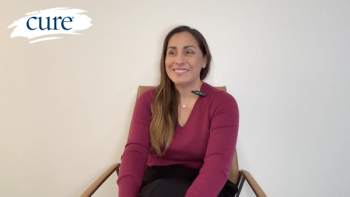
Joy Malik, a nurse practitioner with nearly a decade of experience in urology, discussed an app that provides educational resources for patients and caregivers navigating urologic cancers.
"When you hear the word cancer, I think all questions just evaporate for the patient because then they just don't know how to take that," Malik said. "The first thought always comes in is, how am I going to beat this cancer?"
Malik previously established and led a prostate cancer clinic serving more than 3,500 men. Her experience also includes critical care and primary care, and she currently works as a medical science liaison with MDxHealth.
The app, available on Apple and Android devices, provides information related to prostate, bladder, kidney and testicular cancers. Although primarily intended for patients and caregivers, Malik said clinicians and nurse navigators can also use it as an educational reference.
One section, titled "Newly Diagnosed," allows users to review information about their cancer and explore different aspects of care at their own pace.
Malik explained that patients may have different informational needs depending on where they are in their treatment. Someone who has recently received a diagnosis may initially focus on understanding the disease, while someone several months into care may seek more detailed information about available treatments.
These resources cover surgical procedures, radiation therapy, androgen deprivation therapy, oral medications and chemotherapy, along with potential side effects and preparation for medical appointments.
The app also includes information about imaging and questions patients may want to discuss with their health care teams.
According to Malik, users can revisit these sections as their questions and treatment circumstances change.
The app is one example of a digital resource intended to make cancer-related educational information accessible outside clinical appointments. The interview did not address whether the app has been evaluated for its effects on patient understanding, treatment decisions or health outcomes.
For more news on cancer updates, research and education,