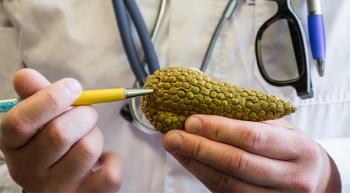
Many people with pancreatic cancer can't fully digest food. Here's how pancreatic enzyme replacement therapy (PERT) works, how to take it with meals and snacks, and what side effects to know.
Among U.S. adults with a history of cancer, 45.8% reported drinking alcohol in the past 30 days in both 2016 and 2024, while drinking declined among adults without cancer, according to a study in Cancer Causes & Control of nearly 4 million adults.
The share of U.S. cancer survivors who drink alcohol did not budge over nearly a decade, even as drinking dipped among people who never had cancer. In 2016 and again in 2024, 45.8% of adults with a history of cancer said they had at least one drink in the past 30 days, according to a study in the journal Cancer Causes & Control.
Among adults without a cancer history, the share fell from 53.9% to 51.5% over the same period, Washington University in St. Louis researchers reported. Their university announced the findings Oct. 30, 2026.
"Although alcohol use was generally less common among people with a history of cancer, many still reported drinking," said lead author Kimberly Johnson of the university's Brown School.
The team analyzed answers from nearly 4 million U.S. adults to the Behavioral Risk Factor Surveillance System, a large national telephone survey run with the Centers for Disease Control and Prevention. People were asked whether they had ever been told they had cancer and about their recent drinking. The researchers compared trends from 2016 through 2024 for people with and without a cancer history.
Survivors were also less likely than other adults to binge drink, meaning several drinks on one occasion. Drinking was lower for people with most types of cancer, with a few exceptions, including survivors of testicular cancer, melanoma and other skin cancers.
Alcohol is a known cause of several cancers, including cancers of the mouth, throat, esophagus, liver, colon and rectum, and breast. For survivors, the question is often more personal: whether a glass of wine with dinner affects the chance of the cancer returning or of a new cancer, and whether it is safe with their medicines. The answers can depend on the cancer type, the treatment and your other health conditions.
The American Cancer Society's guideline for cancer survivors advises following its general cancer prevention guidance, which says it is best not to drink alcohol and, for people who do, to limit it. Alcohol can also worsen some side effects, such as mouth sores, and can interact with certain medicines, including some used for pain, nausea and sleep.
The study captured snapshots of different people over time, so it was unable to tell whether individuals changed their drinking after their diagnosis. Both cancer history and drinking were self-reported, and people tend to underreport how much they drink. The study also does not show whether drinking affected anyone's health.
Johnson said health care providers "have an opportunity to talk with patients about alcohol use and its link to cancer risk." You do not have to wait for your care team to raise it. If you drink, it is reasonable to ask whether alcohol is safe with your treatment and what amount, if any, makes sense for you. If cutting back has been hard, your care team can point you to support.
CURE has reported on research linking
For more news on cancer updates, research and education,