

News|Videos|August 7, 2015
A Caregiver's Account
Advertisement


Advertisement
Related to this article

Hot flashes are common during and after breast and prostate cancer treatment. Here is how hormone treatments compare with the nonhormonal medicines, therapies and comfort steps that national guidelines list, and why the right choice depends on your cancer.
An updated ASTRO guideline released Oct. 27, 2026, says most men getting radiation for prostate cancer that has not spread can safely finish treatment in weeks instead of months, and many can finish in five sessions. Here is what that means for patients.

For people who already have cancer, quitting smoking can help treatment work and the body heal, and the National Cancer Institute says it improves the outlook for cancer patients. Here is what quitting can do and where to find free help.

From colon and rectal cancer to bladder and head and neck cancers, here are five FDA approvals from fall 2026 and what they mean for patients.
Answers to common questions about flu, COVID-19, RSV and other vaccines for people in cancer treatment, including which shots to avoid, the best timing around chemotherapy and what family members should do.
City of Hope experts share integrative therapies that may ease breast cancer side effects such as joint pain, hot flashes, poor sleep, fatigue and anxiety.
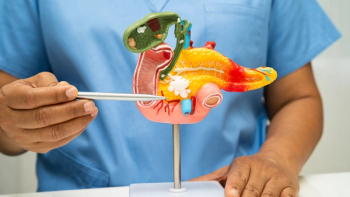
In a secondary analysis of a phase 3 trial published Nov. 13, 2026, people with locally advanced pancreatic cancer who wore the Optune Pax device with chemotherapy went about three months longer before their pain worsened than those who had chemotherapy alone.
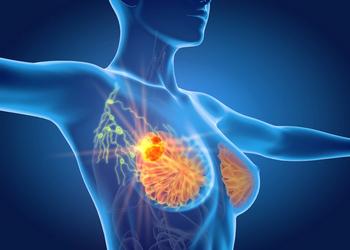
City of Hope experts explain integrative oncology in breast cancer: when to consider it, why it won't replace treatment and what to know about supplements.
Advertisement
Advertisement