

Opinion|Videos|October 31, 2023
Cervical Cancer: The Patient Journey
Linda Ryan, a patient advocate, details her treatment journey with cervical cancer and discusses resources available to patients.
Advertisement
Episodes in this series

Advertisement
Related to this article

A once-daily oral pill gives patients with symptomatic TGCT another option when surgery could cause more harm than good.
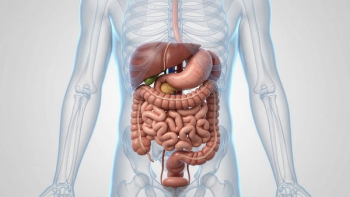
For World NET Cancer Day, CURE answers seven common questions about neuroendocrine tumors, from carcinoid syndrome and Ki-67 to dotatate PET scans and treatment options.
Up to 40% of patients with classic hairy cell leukemia relapse within 10 to 15 years. An NIH researcher explains how adding Rituxan up front may help.
Gita Kwatra, PharmD, MBA, co-founder and CEO of the Glioblastoma Foundation, explains what happens to tumor tissue after brain surgery and how patients can ask their care team for genomic testing.

Most people with pancreatic cancer lose weight they didn't mean to. Here is how weight loss from poor digestion differs from cachexia, and what enzymes, eating strategies and appetite medicines can do.

Dr. Rebecca Dent explains how Datroway kept brain metastases in check longer than chemotherapy in triple-negative breast cancer, and what patients should know.

In a study of 8,259 rural Medicare patients with advanced non-small cell lung cancer diagnosed from 2014 to 2019, only 35.9% had tumor gene testing, and those who were tested were more likely to get targeted therapy.

Among U.S. adults with a history of cancer, 45.8% reported drinking alcohol in the past 30 days in both 2016 and 2024, while drinking declined among adults without cancer, according to a study in Cancer Causes & Control of nearly 4 million adults.
Advertisement
Advertisement
Trending on CURE
1
What Is a Whipple Procedure? Pancreatic Cancer Surgery Explained
2
Glioblastoma Patients Can Request Genomic Testing on Their Tumor Tissue
3
Weight Loss With Pancreatic Cancer: Why It Happens and What Helps
4
Datroway Slows Brain Metastases in Triple-Negative Breast Cancer
5