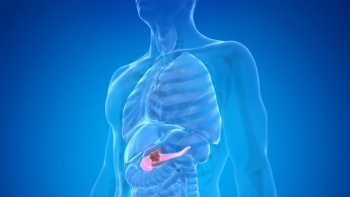
Nearly half of U.S. counties, home to 26.6 million people, have no local surgeon who operates on digestive cancers, and those counties had higher death rates from colorectal, pancreatic and liver and bile duct cancers, a national study found.
Infections caused about 2.3 million new cancers worldwide in 2024, a global study found. Vaccines, screening and treatment could prevent many of them.
About 1 in 8 new cancers diagnosed worldwide in 2024 was caused by an infection, according to a global analysis from the International Agency for Research on Cancer (IARC), the World Health Organization's cancer research agency.
The study, published Sept. 28 in The Lancet Oncology, estimated that infections caused about 2.3 million new cancer cases in 2024, or 12% of all new cases. Many of those cancers could be prevented with tools that already exist, including vaccines, screening and treatment for the infections themselves.
"The findings underscore the major role that infection control can play in reducing the global cancer burden," Harriet Rumgay, a scientist in IARC's Cancer Surveillance Branch and an author of the study, said in a news release.
Five infections accounted for almost all infection-related cancers, according to IARC:
The researchers studied 12 infections known to cause cancer. Their analysis added 16 infection-cancer links that earlier global estimates did not include, among them cancers associated with HIV and with Merkel cell polyomavirus, a virus linked to a rare skin cancer called Merkel cell carcinoma.
HIV does not cause cancer directly, the National Cancer Institute (NCI) explains, but it raises the risk of several cancers, including Kaposi sarcoma, lymphomas and cancers of the cervix, anus, lung, liver and throat.
No. "A person cannot catch cancer from someone else," according to the American Cancer Society (ACS). What can spread is the infection. Many of the infections that raise cancer risk can pass from person to person, and some can be passed through blood or other body fluids, according to NCI.
Infections can lead to cancer in a few ways, the ACS notes. Some viruses directly affect the genes that control how cells grow, some cause long-term inflammation and some weaken the immune system's ability to find and destroy abnormal cells. Even so, most people with these infections never develop cancer.
More than three-quarters of infection-related cancers occurred in low- and middle-income countries, according to IARC. Eastern Asia alone accounted for 42% of infection-related cancers worldwide, with a particularly high burden from H. pylori and hepatitis B. Sub-Saharan Africa had very high rates of HPV-related cancers, plus a substantial burden from HIV and Kaposi sarcoma-associated herpesvirus.
IARC said prevention tools are often underused or out of reach, particularly in low- and middle-income countries, because of financial, social and political barriers.
IARC points to several approaches:
NCI notes that H. pylori infection can be detected and treated with antibiotics, and recommends seeing a doctor about stomach problems.
If you have questions about HPV vaccination for yourself or your children, testing for hepatitis or H. pylori, or cervical cancer screening, your primary care provider is a good place to start. For people already in cancer treatment, hepatitis B can matter in another way. CURE explains
For more news on cancer updates, research and education,