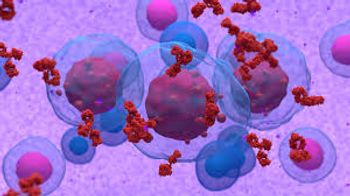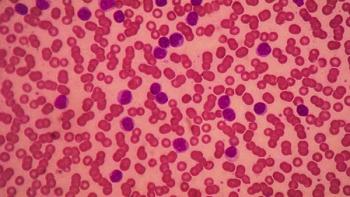
Replacing two cycles of intensive chemotherapy with Blincyto raised four-year event-free survival to 83% from 70.3% in children with high-risk B-cell ALL, with far fewer infections.
ASTRO’s first bladder cancer radiation guideline supports trimodal therapy as an alternative to bladder removal for select patients with muscle-invasive disease.
On Sept. 17, 2026, the American Society for Radiation Oncology (ASTRO) published its first clinical practice guideline on radiation therapy for bladder cancer. The guideline recommends that carefully selected patients with muscle-invasive bladder cancer be offered a bladder-sparing approach called trimodal therapy as an alternative to surgery to remove the bladder.
The guideline appeared in the journal Practical Radiation Oncology. ASTRO developed it with the American Society of Clinical Oncology, the European Association of Urology (which endorsed it) and the European Society for Radiotherapy and Oncology. The task force, chaired by Dr. Jason A. Efstathiou of Mass General Brigham, included cancer specialists, a medical physicist and a patient representative.
"Bladder preservation should be presented as a curative treatment option alongside radical cystectomy," Efstathiou said in ASTRO's announcement.
The central recommendation applies to people with muscle-invasive bladder cancer, meaning the cancer has grown into the thick muscle wall of the bladder, that has not spread to lymph nodes or distant organs. In staging terms, this is cT2 to cT4a, N0, M0 disease.
The long-standing standard has been radical cystectomy, an operation that removes the bladder and requires a new way to store or pass urine, such as a neobladder (a new bladder built from intestine) or a urostomy bag. Trimodal therapy instead combines surgery through the urethra to remove as much tumor as possible, radiation to the bladder, and systemic therapy (usually chemotherapy) given during radiation to make cancer cells more sensitive to it.
The guideline lists features that make someone a better candidate for bladder preservation: a single tumor smaller than 7 centimeters, cancer that is mainly urothelial carcinoma (the most common type of bladder cancer), and no widespread carcinoma in situ (flat, early cancer cells lining the bladder) or hydronephrosis (swelling of the kidney caused by a blocked flow of urine).
For patients at higher risk of the cancer spreading, the guideline also recommends systemic therapy before trimodal therapy begins. CURE has covered the
The guideline also addresses other situations where radiation may play a role:
On technique, the guideline recommends intensity-modulated radiation therapy, which shapes the dose closely around the target, with daily imaging before each treatment.
The guideline calls for a cystoscopy (a camera exam of the bladder) after trimodal therapy to check the response, followed by ongoing surveillance, because cancer can return in a preserved bladder.
A "conditional" recommendation means the panel judged that benefits likely outweigh harms for many patients but that the evidence is less certain or that individual circumstances matter more. The guideline was built on a systematic review of studies published from 2009 through 2024, and several areas, including newer combinations of radiation with other drugs and shorter radiation schedules, are still being tested in clinical trials.
The authors also note that patients in rural and underserved areas often have limited access to bladder-preserving treatment and multidisciplinary teams.
According to ASTRO, about 85,000 adults in the U.S. are expected to be diagnosed with bladder cancer in 2026, and about 18,000 are expected to die of the disease. For people with muscle-invasive disease who meet the selection criteria, the guideline makes clear that keeping the bladder is a recognized curative option, not only a fallback for those who cannot have surgery. Meeting with a surgeon, a radiation oncologist and a medical oncologist before deciding can help.
For more news on cancer updates, research and education,