A leukemia survivor recalls how bonding with other patients helped his hospital stays go by faster and became a key part of his emotional healing.
Replacing two cycles of intensive chemotherapy with Blincyto raised four-year event-free survival to 83% from 70.3% in children with high-risk B-cell ALL, with far fewer infections.
For children with high-risk B-cell acute lymphoblastic leukemia (ALL), replacing part of their intensive chemotherapy with the immunotherapy Blincyto (blinatumomab) kept more of them free of leukemia and caused far fewer infections, according to a large international trial.
The results of the phase 3 AIEOP-BFM ALL 2017 trial were published online Sept. 17, 2026, in The New England Journal of Medicine. The trial was led by Dr. Martin Schrappe of University Hospital Schleswig-Holstein in Kiel, Germany, with researchers from Europe, Israel and Australia.
ALL is the most common childhood cancer. Children whose leukemia is considered high risk usually receive several cycles of very intensive chemotherapy, which can cause serious infections and other complications.
The trial included 709 children and teens younger than 18 with high-risk, Philadelphia chromosome-negative B-cell ALL. After the early phases of treatment and one cycle of intensive chemotherapy, they were randomly assigned to one of two paths:
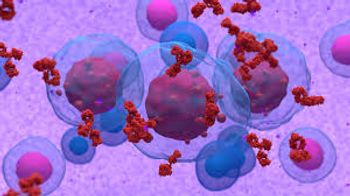
Blincyto is a type of immunotherapy called a bispecific T-cell engager. It acts like a bridge, connecting the body's T cells (a type of immune cell) to leukemia cells that carry a marker called CD19 so the immune system can attack them.
After four years:
Treatment-related infections were much less common with Blincyto: 23.9% of children, compared with 69.4% of those who received chemotherapy.
Blincyto has its own side effects. Nervous system problems such as headache, confusion, tremors or seizures occurred in 12% of children who got Blincyto, compared with 3.2% with chemotherapy. Cytokine release syndrome, an immune reaction that can cause fever and low blood pressure, was rare, affecting 1.1% of children at a moderate or higher level.
Blincyto is already approved by the FDA for the consolidation phase of treatment in adults and children 1 month and older with CD19-positive, Philadelphia chromosome-negative B-cell ALL, an approval granted in June 2024 (
This new trial goes a step further. Instead of adding Blincyto on top of chemotherapy, it replaced some of the hardest chemotherapy for children at high risk. The researchers concluded that Blincyto "can safely replace chemotherapy" as part of first-line treatment for these children.
If your child has been diagnosed with high-risk B-cell ALL, ask whether Blincyto could be part of their treatment plan. Treatment protocols vary by hospital and study group, and the right approach depends on the leukemia's genetic features and how well it responds to early treatment. Children who receive Blincyto usually get it as a continuous infusion through a small portable pump, sometimes for weeks at a time, and need close monitoring for nervous system side effects.
For more news on cancer updates, research and education,