The FDA grants traditional approval to Keytruda and Keytruda Qlex for TMB-H solid tumors, updating the threshold to at least 13 mutations per megabase.
Five-year follow-up of cryoablation for small kidney tumors shows high recurrence-free rates and a minimally invasive option for select patients.
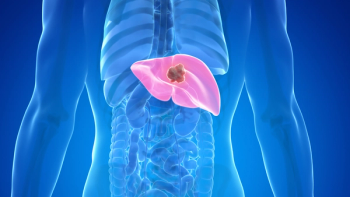
Five-year follow-up from the ICESECRET clinical trial suggests that cryoablation with the ProSense system may offer a durable, minimally invasive treatment option for patients with small kidney tumors, according to data shared in a news release from IceCure Medical Ltd. Investigators reported that earlier interim data showed an 88.7% recurrence-free rate, and final long-term results are expected in the second quarter of 2026.
The study focused on patients with small renal masses, many of whom were not ideal candidates for surgery. For these individuals, a kidney-sparing, less invasive approach could help control cancer while preserving kidney function and reducing recovery time.
"Interim three-year data from ICESECRET, which was collected from 111 eligible patients at the time, was presented a year ago and demonstrated the strong potential of ProSense cryoablation as a safe and effective option for patients who are otherwise ineligible for kidney preserving surgery, a growing unmet need," IceCure's CEO Eyal Shamir stated in the news release. "Importantly, ProSense already has regulatory approval to treat kidney cancer in key markets including the U.S. and Europe. We are now working closely with Prof. Sarel on data analysis and publication, with the intention of bringing this minimally invasive procedure to patients in Israel with kidney cancer."
The ICESECRET trial followed patients for up to five years after undergoing CT-guided cryoablation. During this time, clinicians monitored for local tumor recurrence using imaging and tracked safety by recording procedure-related side effects.
Earlier analyses demonstrated strong local tumor control, with nearly nine in 10 patients remaining free of recurrence at three years. The completion of five-year follow-up marks an important milestone because long-term data are critical when evaluating whether a less invasive treatment can match the durability of surgery.
Cryoablation works by inserting a thin probe into the tumor and freezing the cancer cells using liquid nitrogen. The technique is performed through the skin, typically with imaging guidance, and does not require removal of part of the kidney. This approach may be especially valuable for older adults or those with other medical conditions who face higher surgical risks.
Kidney cancer rates continue to rise worldwide, with more than 80,000 new cases diagnosed each year in the United States. Many tumors are now detected earlier due to increased imaging, leading to a growing number of patients with small renal masses.
Although surgery remains the standard treatment for many patients, not everyone can safely undergo an operation. Some individuals have reduced kidney function, multiple medical conditions or tumors located in areas that make surgery more complex. In these cases, minimally invasive treatments that preserve healthy kidney tissue are an important unmet need.
Cryoablation is already used in certain clinical settings, but long-term outcomes help determine which patients may benefit most and how the approach compares with surgery over time.
The ICESECRET trial was a prospective, multicenter, single-arm study conducted at two medical centers in Israel. Researchers enrolled 114 patients with 138 localized kidney tumors measuring 5 centimeters or smaller.
All tumors were treated with the ProSense cryoablation system under CT guidance. Patients returned for follow-up imaging at six weeks, six months, one year, and annually thereafter for five years. These visits allowed investigators to assess whether the treated tumors remained controlled and to monitor for any delayed side effects.
Safety was evaluated throughout the study by documenting complications related to the procedure.
The trial primarily enrolled patients with small, localized kidney tumors who were candidates for a kidney-sparing approach. This group often includes older adults and individuals with additional health conditions who may not tolerate surgery well.
The ProSense system is already cleared in multiple regions for treatment, and the completion of five-year follow-up strengthens the evidence supporting its use in select patients. Beyond kidney cancer, the same cryoablation technology has been studied in other tumor types, reflecting growing interest in image-guided, minimally invasive treatments.
Final analysis of the ICESECRET data will provide a clearer picture of long-term cancer control, safety and patient outcomes.
Editor's note: This article is for informational purposes only and is not a substitute for professional medical advice, as your own experience will be unique. Use this article to guide discussions with your oncologist. Content was generated with AI, reviewed by a human editor, but not independently verified by a medical professional.
For more news on cancer updates, research and education,